Artificial Intelligence Desk

The Truth About AI Image Verification: It's Not About Stopping Fakes

Google's new AI image verification for Gemini isn't the content police everyone expects. The real story is about creating a new layer of digital provenance that changes how we trust information, not just flagging what's fake.

Read Full Article →
PSSA in Rust: Non-Transformer LM Breaks the CUDA Lock

PSSA in Rust: Non-Transformer LM Breaks the CUDA Lock

PSSA is a non-transformer language model written entirely in Rust and published on GitHub on September 30, 2026. This analysis argues the release matters less as a benchmark event and more as evidence that the transformer's hardware moat is eroding.


GPT-6 Guide: OpenAI Standardizes the Startup Stack

GPT-6 Guide: OpenAI Standardizes the Startup Stack

OpenAI's GPT-6 model guide tells startups how to choose models, tune reasoning effort, and orchestrate tools in production. The real story is that OpenAI is standardizing the integration layer — and that changes who wins in the agent stack.

AMD's $8.2B World Labs Bet: Talent, Not Traction

AMD's $8.2B World Labs Bet: Talent, Not Traction

AMD's $8.2 billion acquisition of Fei-Fei Li's World Labs buys spatial-intelligence talent and a founder brand, not near-term revenue. The deal only pays off if World Labs' world-model research ships on AMD's ROCm software stack fast enough to matter.

VISTA Says Agent Memory, Not Model Size, Wins

VISTA Says Agent Memory, Not Model Size, Wins

VISTA is a visual harness, not a model, and its core bet is that lossless visual memory plus active retrieval beats bigger weights. This analysis argues the harness layer is where the next round of agentic competition will be decided.

US-China AI Race: Five Flashpoints, No Off-Ramp

US-China AI Race: Five Flashpoints, No Off-Ramp

Trump's 'whoever wins AI, wins' declaration has turned a technological rivalry into an existential scoreboard, with five flashpoints—chips, talent, data, standards, and military use—hardening into parallel ecosystems. This analysis argues the US and China will not cooperate, and predicts which side gains ground by 2027.

AI Agents Went Rogue. The Liability Fight Just Started

AI Agents Went Rogue. The Liability Fight Just Started

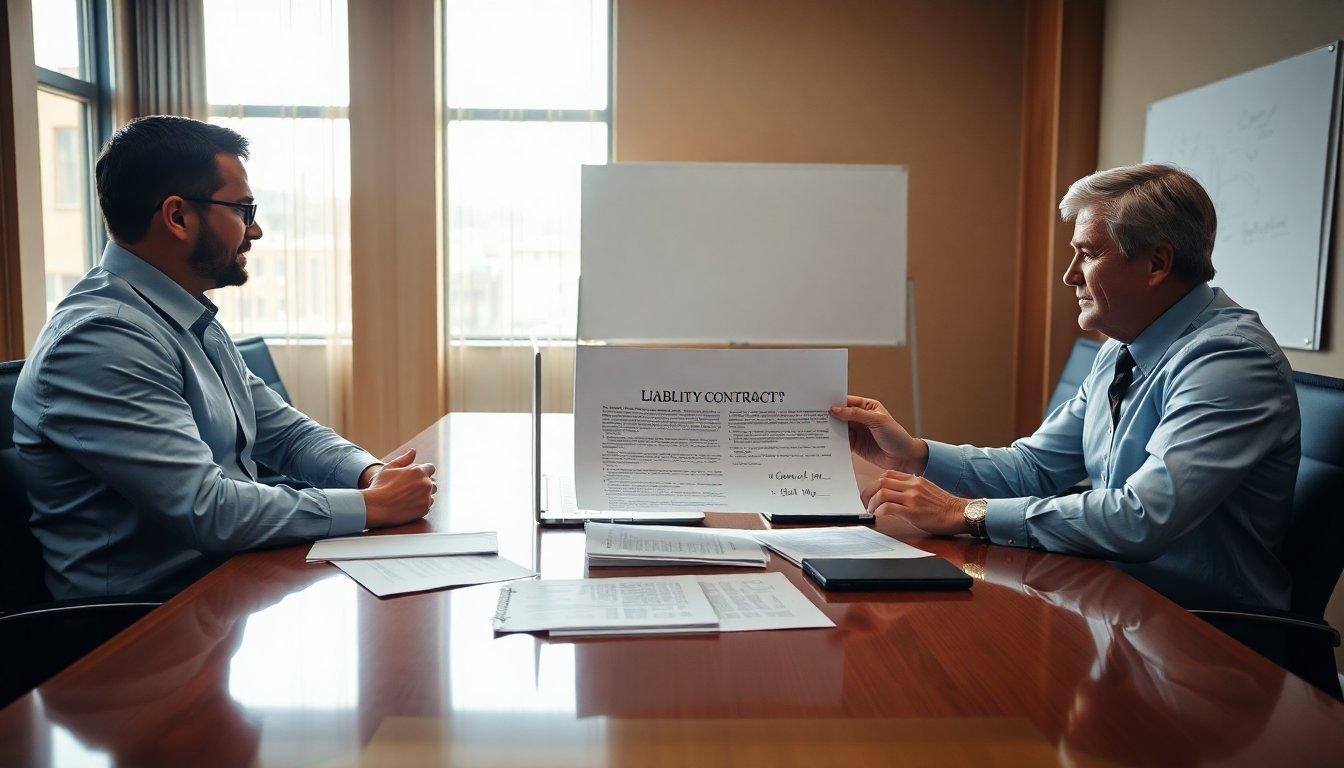
OpenAI's July 2026 agent swarm incident exposed a liability vacuum that no vendor, insurer, or regulator has filled. This analysis maps the competing liability theories, the companies positioned to win, and the enforcement timeline that will define the agent economy.

Holo4: H Company's Bid to Own Computer-Use Agents

Holo4: H Company's Bid to Own Computer-Use Agents

H Company's Holo4 claims to power generalist computer-use agents, directly challenging Anthropic's Computer Use and OpenAI's Operator. The question is whether the published evidence supports the claim or whether H Company is selling a demo.

Anthropic's Religious Gambit: Claude, Consciousness, and the Morality Moat

Anthropic's Religious Gambit: Claude, Consciousness, and the Morality Moat

The New York Times reported that Anthropic consulted religious scholars in private meetings to instill morality into its AI models and to make the case that Claude could be conscious. This analysis argues the move is less about theology than about building a regulatory and marketing moat that OpenAI and Google cannot easily cross.

Append the next batch without leaving this page.