
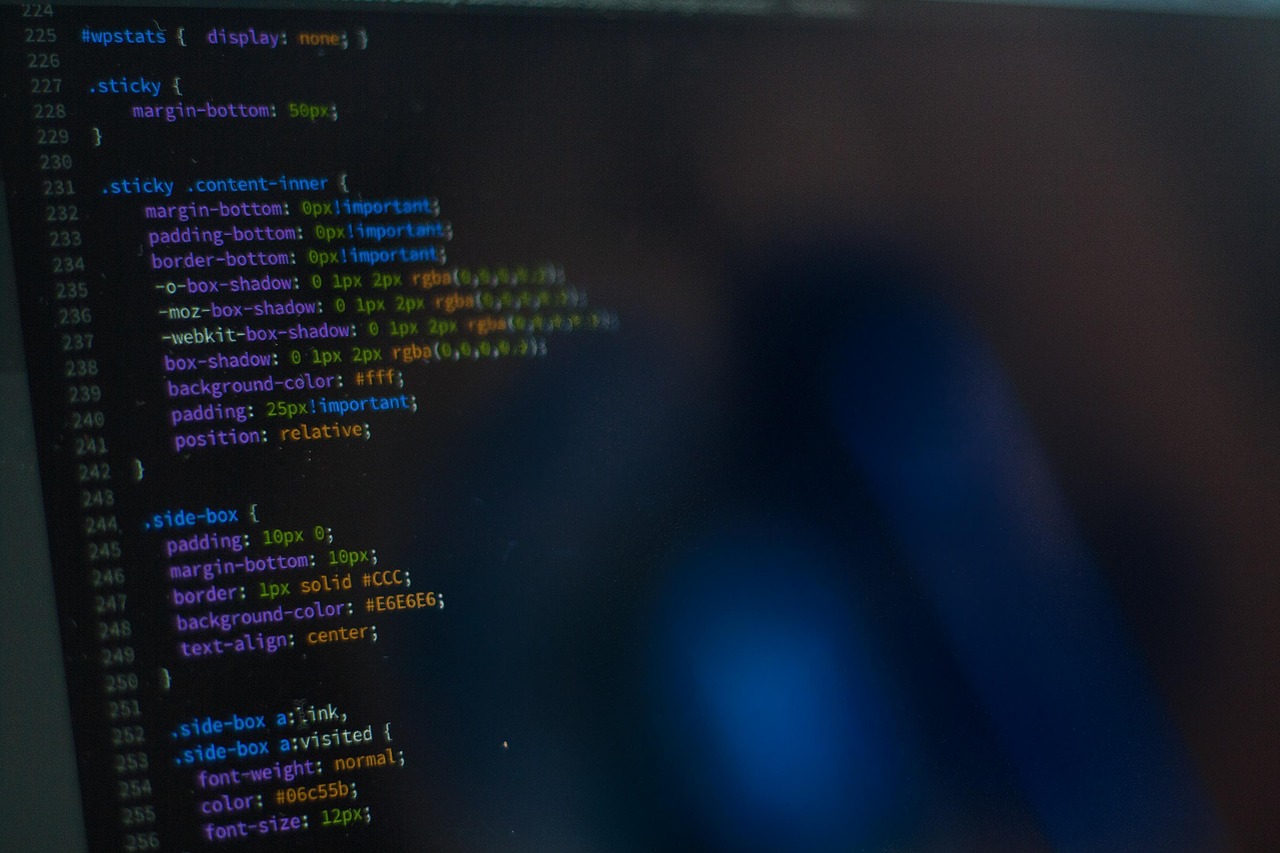
Why Did 236 Developers Instantly Recognize This Code?
A single line of code—'useMe'—sparked a viral Reddit thread with 236 upvotes in the ProgrammerHumor community. What looks like a simple joke reveals a deeper, almost universal truth about modern software development and the tools we rely on every day.
Imagine a single line of code, just two words, stopping hundreds of developers in their tracks. It sparked a viral thread because they all instantly understood the silent plea buried in that 'useMe'. This reveals a shared experience deeper than any programming language.
What does this tiny fragment say about the modern tools we depend on, and the sometimes frustrating reality of building software with them? The answer is a universal truth that every coder has felt but rarely says out loud.
What does this tiny fragment say about the modern tools we depend on, and the sometimes frustrating reality of building software with them? The answer is a universal truth that every coder has felt but rarely says out loud.
The Viral Post That Nailed Developer Culture
On a popular programming forum, a user posted an image with a single, poignant line of code: useMe. No context, no project file, no elaborate setup. Just two words that instantly resonated, amassing 236 upvotes and sparking a discussion that cut to the core of contemporary coding. The engagement metrics tell the story—a 98% upvote ratio indicates near-universal recognition. This wasn't just a meme; it was a mirror.
What Does "useMe" Actually Mean?
For the uninitiated, the humor is brilliantly layered. At its surface, "useMe" parodies the naming conventions of countless JavaScript/React hooks like useState, useEffect, or useContext. These are fundamental building blocks in modern web development, imported from libraries to add specific functionality. The joke implies a hook so desperate for purpose that it begs to be used.
But the resonance goes deeper. It reflects a developer's relationship with sprawling dependency trees. How often do we import a library, use a tiny fraction of its API, and never touch the rest? The comment thread hinted at this, with developers nodding at the feeling of writing code that feels superfluous or underutilized. "useMe" embodies the silent, hopeful plea of every utility function and module in a codebase.
Why This Simple Joke Matters
This viral moment is significant because it highlights a critical, often unspoken, shift in software engineering. We are no longer just writing code; we are primarily orchestrating it. The developer's primary role has evolved from creator to integrator, assembling applications from a vast ecosystem of pre-built tools, APIs, and open-source packages.
The humor in "useMe" stems from a shared experience of complexity. It’s a sigh of relief disguised as a laugh. When 236 developers instantly upvote a concept, it signals a collective experience—the slight absurdity and immense power of working in a world defined by abstraction layers.
The Takeaway: More Than Just a Meme
The viral success of "useMe" is a cultural checkpoint. It proves that the biggest challenges in tech aren't always about solving hard algorithmic problems; sometimes, they're about managing the psychological and architectural weight of the tools we adopt. The next time you import a library or write a module, ask yourself: are you giving it a clear purpose, or is it just another line hoping to be used?
The clear call-to-action for developers? Be intentional with your dependencies. Every import statement is a commitment. Choose tools that serve a explicit need, and write code with defined responsibility. Don't let your project become a graveyard of utilities whispering "useMe."
Source and attribution
Reddit
useMe






Discussion
Add a comment