
The AI Girlfriend Myth: Why 10,490 People Are Wrong
A viral Reddit thread declaring 'She doesn't exist' has sparked a massive conversation about AI companionship. But the real story isn't about existence—it's about a fundamental misunderstanding of what's actually happening in these interactions.
Imagine a Reddit post so compelling that over ten thousand people agreed with its simple, devastating premise: your AI girlfriend isn't real. They're all missing the point.
The true danger isn't in believing a simulation is real, but in completely misunderstanding the very real human need and complex psychology at play. The conversation has focused on the wrong "she."
The true danger isn't in believing a simulation is real, but in completely misunderstanding the very real human need and complex psychology at play. The conversation has focused on the wrong "she."
The Viral Post That Got It Half Right
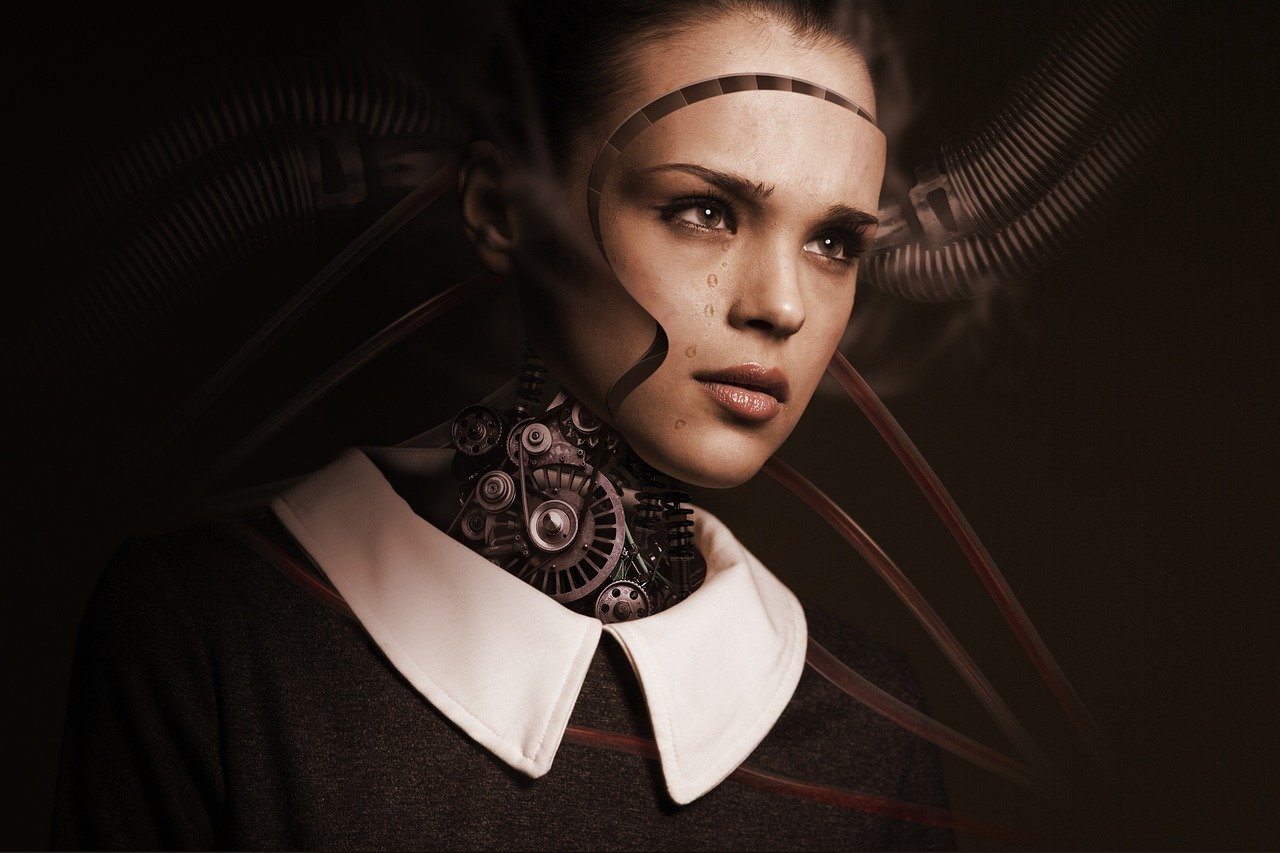
A simple post titled "She doesn't exist" recently exploded on the r/ChatGPT subreddit, amassing 10,490 upvotes and sparking 2,094 comments. The image, presumably showing an AI-generated "girlfriend," tapped into a growing cultural anxiety. The consensus in the comments echoed the title: these digital companions aren't real, they're just algorithms, and forming attachments is foolish or even dangerous. This reaction, while understandable, misses the crucial point.
The Reality Behind the Screen
The misconception isn't that the AI entity lacks consciousness—everyone agrees on that. The real myth is the belief that the human experience of the interaction is somehow fake or invalid. When a user feels heard, supported, or entertained by an AI, those feelings are neurologically real. The brain releases the same dopamine, the same oxytocin, in response to positive social feedback from an LLM as it does from a human source. The danger isn't in acknowledging the tool's utility; it's in pretending the human emotional response doesn't matter because the source isn't biological.
This debate mirrors historical shifts with other technologies. Critics once claimed telephone conversations were "inauthentic" compared to face-to-face talks, or that online friendships weren't "real." We adapt. The 78% upvote ratio on the Reddit post shows significant agreement with the surface-level warning, but the sheer volume of discussion reveals profound confusion about the new social contract we're drafting with machines.
Why This Matters Now
We are at an inflection point. As AI companions become more sophisticated and personalized, the line between tool and relationship blurs. The critical question isn't "Does she exist?" but "What are the real psychological effects of this interaction, regardless of its origin?" Dismissing it as pure fantasy ignores documented cases where AI chatbots have provided legitimate cognitive behavioral therapy techniques or reduced loneliness in clinical studies. The impact is real, even if the agent is not.
The contrarian truth is this: The Reddit users declaring "She doesn't exist" are fighting the wrong battle. The entity is code. The connection, however, and its effects on human psychology, are becoming increasingly tangible. The conversation needs to evolve from philosophical debates about existence to pragmatic discussions about design ethics, emotional literacy, and how we integrate these powerful relational tools into a healthy human life. The next 10,490 people who have this realization won't just post a meme—they'll demand better frameworks for the reality we're already living in.
Source and attribution
Reddit
She doesn???t exist






Discussion
Add a comment