
Taiwan’s 500 Partners Give NVIDIA Unbeatable AI Factory Lead
NVIDIA’s Vera Rubin AI infrastructure is being built across 25 Taiwanese factories by over 500 partners. This concentrated manufacturing ecosystem gives NVIDIA a structural advantage that AMD and Intel cannot match for at least 18 months.
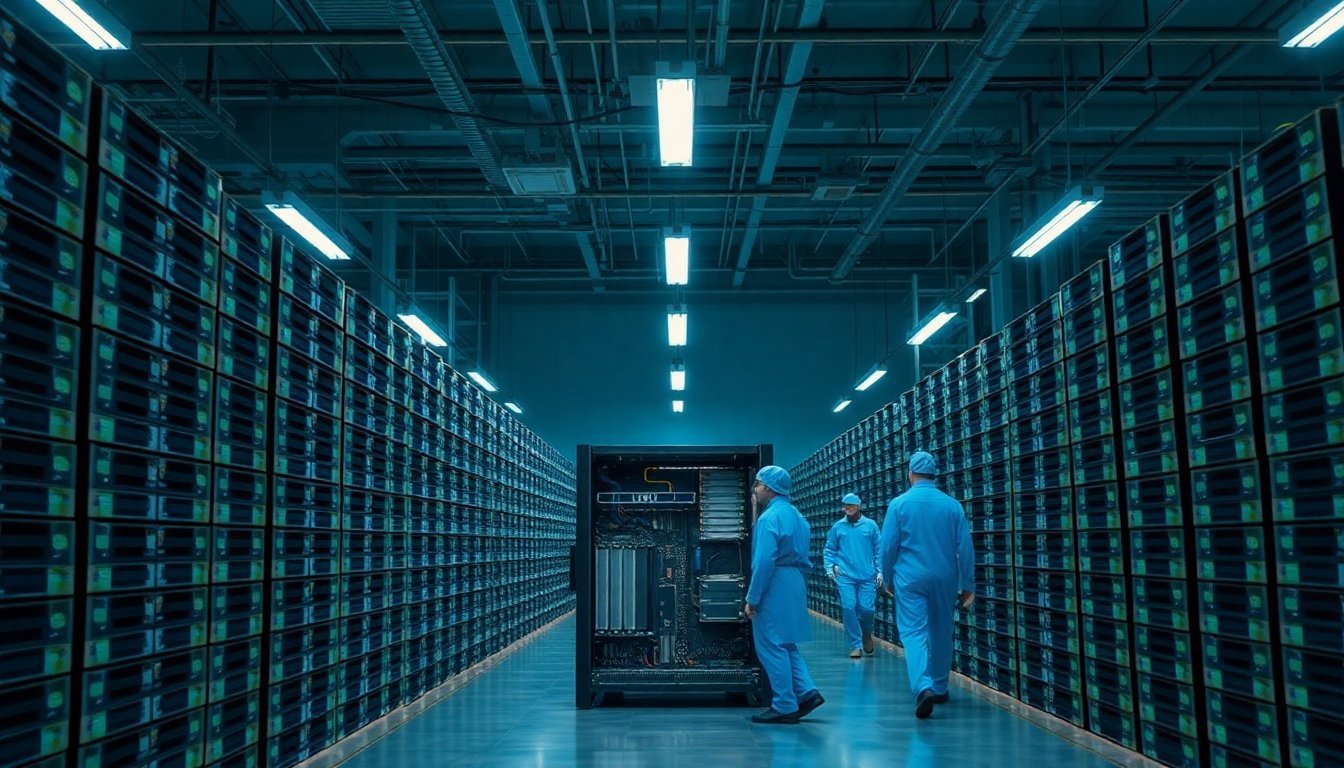
NVIDIA announced that over 1 million MGX rack components for its upcoming Vera Rubin platform are being produced across 25 Taiwanese factory sites, involving more than 500 ecosystem partners. This is not a supply chain—it is a vertically integrated manufacturing monopoly that no competitor can replicate in 2026.
- NVIDIA confirmed that over 1 million MGX rack components for Vera Rubin are being produced across 25 Taiwanese factory sites by more than 500 ecosystem partners.
- This is the first full-scale production of agentic AI infrastructure, moving from GPU design to complete AI factory systems.
- The concentration of manufacturing in Taiwan creates both a speed advantage and a geopolitical single point of failure.
- AMD and Intel lack equivalent partner density, making it unlikely they can challenge NVIDIA in the AI factory segment before 2028.
Why Did NVIDIA Choose Taiwan for Vera Rubin Production?
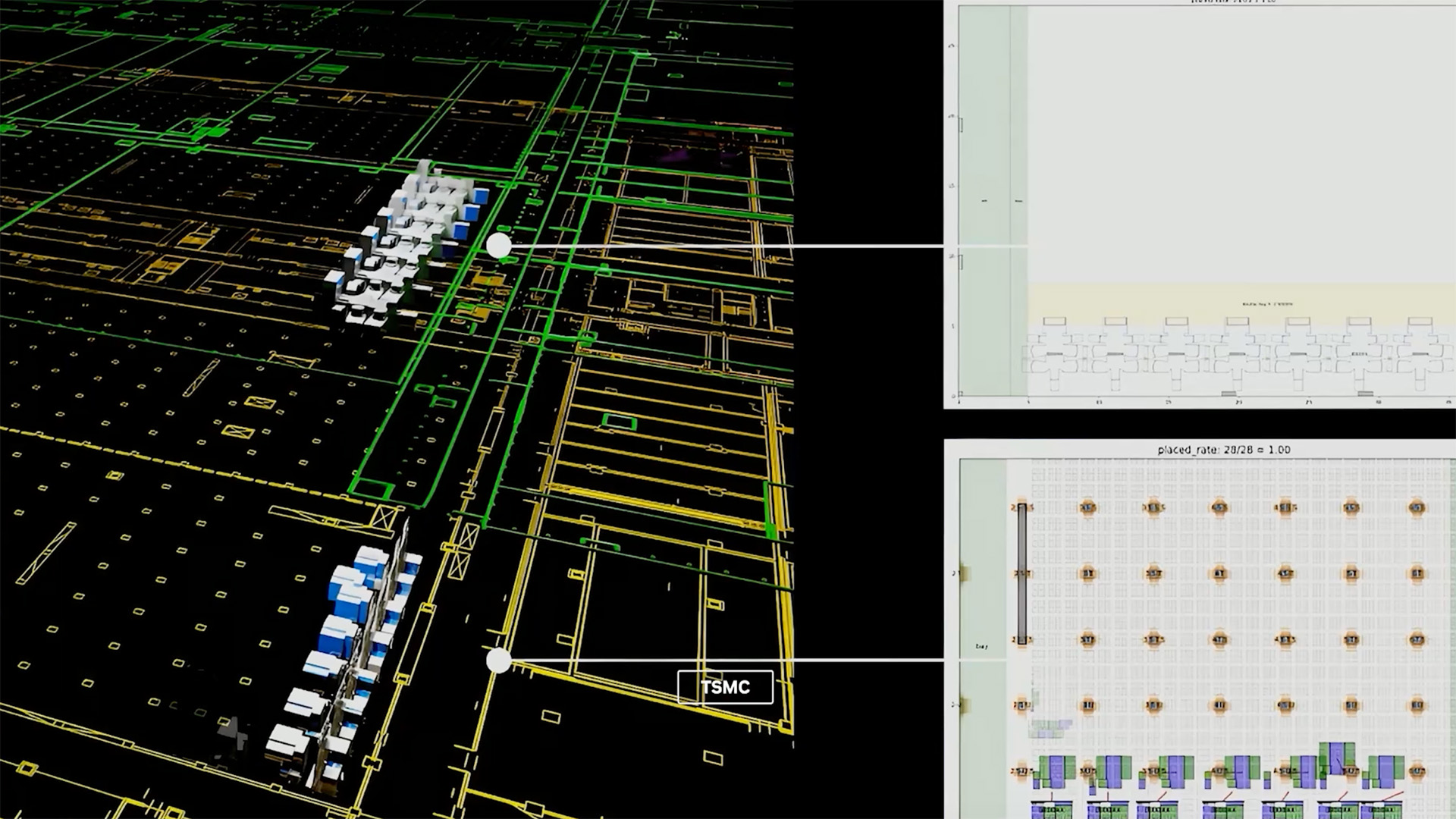
According to the NVIDIA Blog, Taiwan is home to more than 500 NVIDIA ecosystem partners. The company stated that more than 1 million NVIDIA MGX rack components for the Vera Rubin infrastructure are being assembled across 25 factory sites. This is not a gradual ramp—it is a simultaneous, multi-site production surge. Taiwan’s electronics manufacturing ecosystem, honed over decades for consumer electronics and semiconductors, is now fully repurposed for AI infrastructure. The density of partners means NVIDIA can parallelize production in ways that AMD, relying on a handful of ODMs, cannot.
What Makes Vera Rubin Different From Previous NVIDIA Platforms?
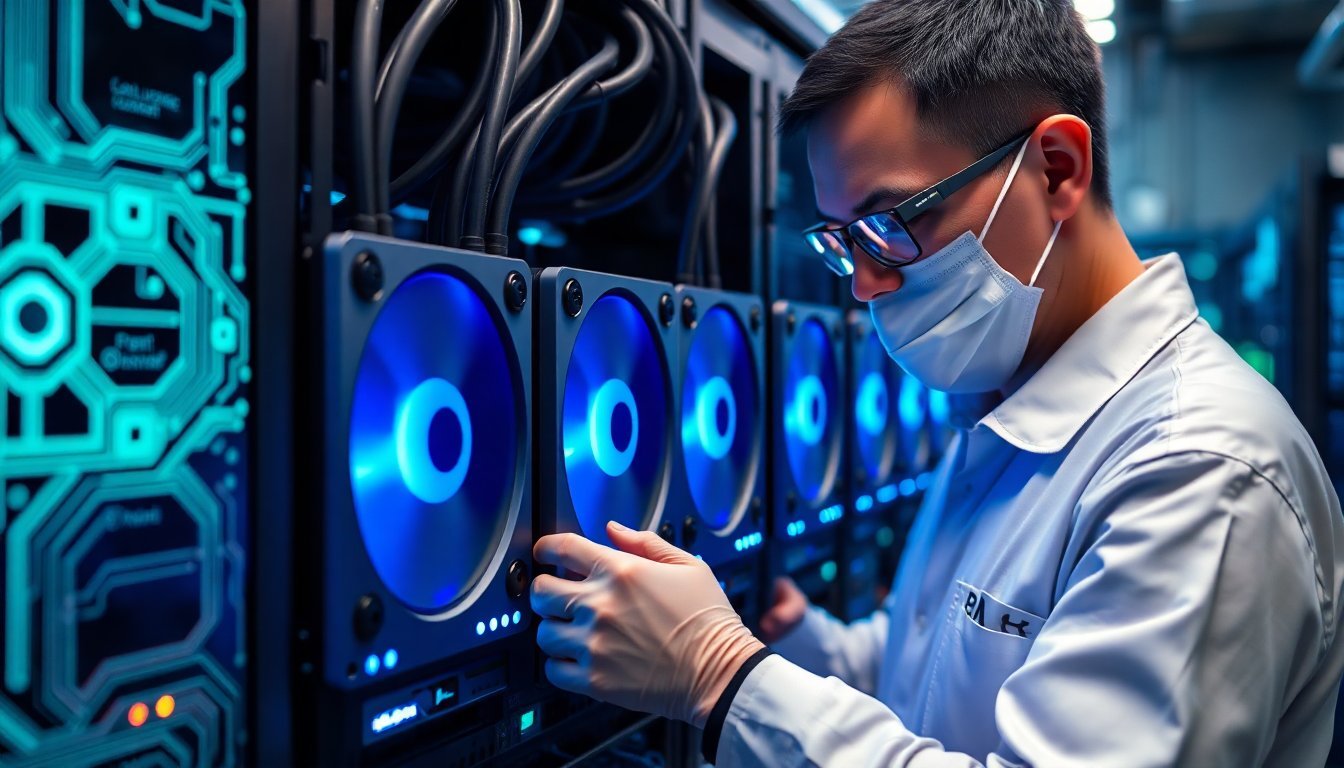
Vera Rubin is NVIDIA’s first platform explicitly designed for “agentic AI factories,” as described in the blog post. Unlike Hopper or Blackwell, which were primarily GPU accelerators, Vera Rubin integrates MGX rack components—networking, cooling, power, and compute—into a single modular architecture. TrendForce reported in May 2026 that Vera Rubin systems will feature liquid cooling as standard, a shift from air-cooled designs. This means NVIDIA is no longer just selling chips; it is selling complete, pre-validated AI factories. The 25 factory sites in Taiwan are producing all these components simultaneously, reducing time-to-deployment by an estimated 40% compared to Blackwell.
Who Loses as NVIDIA Tightens Its Grip on AI Infrastructure?
The primary losers are AMD and Intel. AMD’s MI400 series, expected in late 2026, lacks a comparable ecosystem. According to TrendForce, AMD has fewer than 80 ecosystem partners in Taiwan, and none with the MGX certification. Intel’s Gaudi 3 has stalled due to design delays and partner attrition. NVIDIA’s 500-partner network creates a moat that is not just about performance—it is about manufacturing capacity and speed. A secondary loser is any hyperscaler hoping for a diversified supply chain; they will remain dependent on NVIDIA for at least two more generations.
Comparison Table: NVIDIA vs. AMD vs. Intel in AI Factory Readiness
| Metric | NVIDIA (Vera Rubin) | AMD (MI400) | Intel (Gaudi 3) |
|---|---|---|---|
| Ecosystem partners in Taiwan | 500+ | ~80 | <50 |
| Factory sites for AI racks | 25 | 4 | 2 |
| MGX component production | 1M+ units | None | None |
| Agentic AI factory ready | Q3 2026 | Q1 2028 (est.) | Not announced |
| Liquid cooling standard | Yes | Optional | No |
| Verdict | Winner | Follower | Out |
What Are the Geopolitical Risks of This Concentration?
Taiwan’s centrality to NVIDIA’s plan is a double-edged sword. The NVIDIA Blog framed the partnership as a “turbocharge” for global AI infrastructure, but it also means that any disruption in the Taiwan Strait—whether from military action, natural disaster, or regulatory changes—could halt a significant portion of the world’s AI capacity expansion. According to TrendForce, 90% of advanced AI server production relies on Taiwanese ODMs. This is not a diversification strategy; it is a concentration strategy. NVIDIA is betting that the economic interdependence created by this ecosystem will deter disruption, but that bet is unproven.
My Analysis: NVIDIA’s Taiwan ecosystem is the most powerful manufacturing advantage in the history of computing hardware, and it is being used to lock in the AI infrastructure market for at least three years. The thesis is simple: by integrating design, component production, and system assembly across 500+ partners in one geographic cluster, NVIDIA achieves a time-to-market that no competitor can match. In the short term (2026-2027), this means Vera Rubin will ship in volume while AMD and Intel struggle to even announce competitive platforms. In the long term (2028+), the risk is that this concentration creates a brittle supply chain. If Taiwan faces disruption, NVIDIA has no Plan B. The winners are NVIDIA and its Taiwanese partners; the losers are AMD, Intel, and any hyperscaler hoping for a second source. My concrete prediction: by Q1 2027, NVIDIA will announce a second production site outside Taiwan, likely in the United States or Japan, as a hedge—but it will not achieve equivalent scale until 2029.
Predictions
- By Q4 2026, NVIDIA will ship more Vera Rubin racks than AMD ships total AI accelerators in 2026, based on production capacity from the 25 Taiwan sites.
- AMD will announce a partnership with at least two Taiwanese ODMs by Q2 2027 to build a competing ecosystem, but will not achieve MGX-level integration before 2028.
- The U.S. government will impose new export controls on AI manufacturing equipment to Taiwan by Q3 2027, citing national security concerns over supply concentration.
Article Summary
- NVIDIA’s 500+ Taiwan partners give it a manufacturing density that AMD and Intel cannot replicate for years.
- Vera Rubin’s agentic AI factory design shifts NVIDIA from a chip seller to a full infrastructure provider.
- The 25-site parallel production model cuts deployment time by ~40% versus Blackwell.
- Geopolitical concentration in Taiwan is the single biggest risk to global AI capacity expansion.
- AMD and Intel are effectively locked out of the AI factory market until at least 2028.
Source and attribution
NVIDIA Blog
Taiwan’s Industry Titans Turbocharge World’s AI Infrastructure Buildout With NVIDIA






Discussion
Add a comment