

NVIDIA's Open-Weights Gambit: Omniverse Becomes the Physical AI Battleground
NVIDIA's open-weights endorsement is a calculated move to make Omniverse the default platform for physical AI, even as it risks cannibalizing its own closed-model partnerships. This analysis examines what changed, who benefits, and what the open-weights shift means for the robotics and simulation market.
In July, NVIDIA signed an open letter alongside 200+ companies arguing that AI leadership depends on open ecosystems, not single frontier models. The company is now betting that its Omniverse platform—not any single model—will become the connective tissue for physical AI. This is a strategic pivot from selling GPUs to owning the simulation-to-reality pipeline.
- NVIDIA joined 200+ signatories of the 'Open Weights and American AI Leadership' letter in July, arguing open ecosystems—not single models—will define AI leadership.
- The company is positioning Omniverse as the neutral simulation layer for physical AI, where open-weight models can train and validate in digital twins.
- This move creates a tension: NVIDIA's open-weights advocacy coexists with its proprietary CUDA lock-in, raising questions about how 'open' the ecosystem truly is.
- Startups building on Omniverse gain a credible path to market, while closed-model incumbents like OpenAI face pressure to justify their walled gardens.
Why Did NVIDIA Sign an Open-Weights Letter After Years of Closed-Source Dominance?
According to the NVIDIA Blog, the company joined more than 200 companies and organizations in signing 'Open Weights and American AI Leadership' in July, a letter arguing that AI leadership will be measured by whether an open ecosystem reaches every sector. This is a striking reversal for a company that has historically profited from proprietary CUDA lock-in and close partnerships with closed-model leaders like OpenAI. The letter's core claim—that open ecosystems, not single frontier models, will drive adoption—aligns with NVIDIA's shift toward platform economics: selling the picks and shovels rather than the gold itself. NVIDIA's signature is not altruism; it's a hedge. If open-weight models like Llama or Mistral gain traction in robotics, NVIDIA wants to be the substrate they run on. Omniverse, with its physics-accurate simulation and digital twin capabilities, becomes the training ground for these models. The Financial Times reported that open-weight adoption in enterprise is accelerating, with companies citing cost and customization as key drivers.What Does Omniverse Actually Change for Physical AI Development?
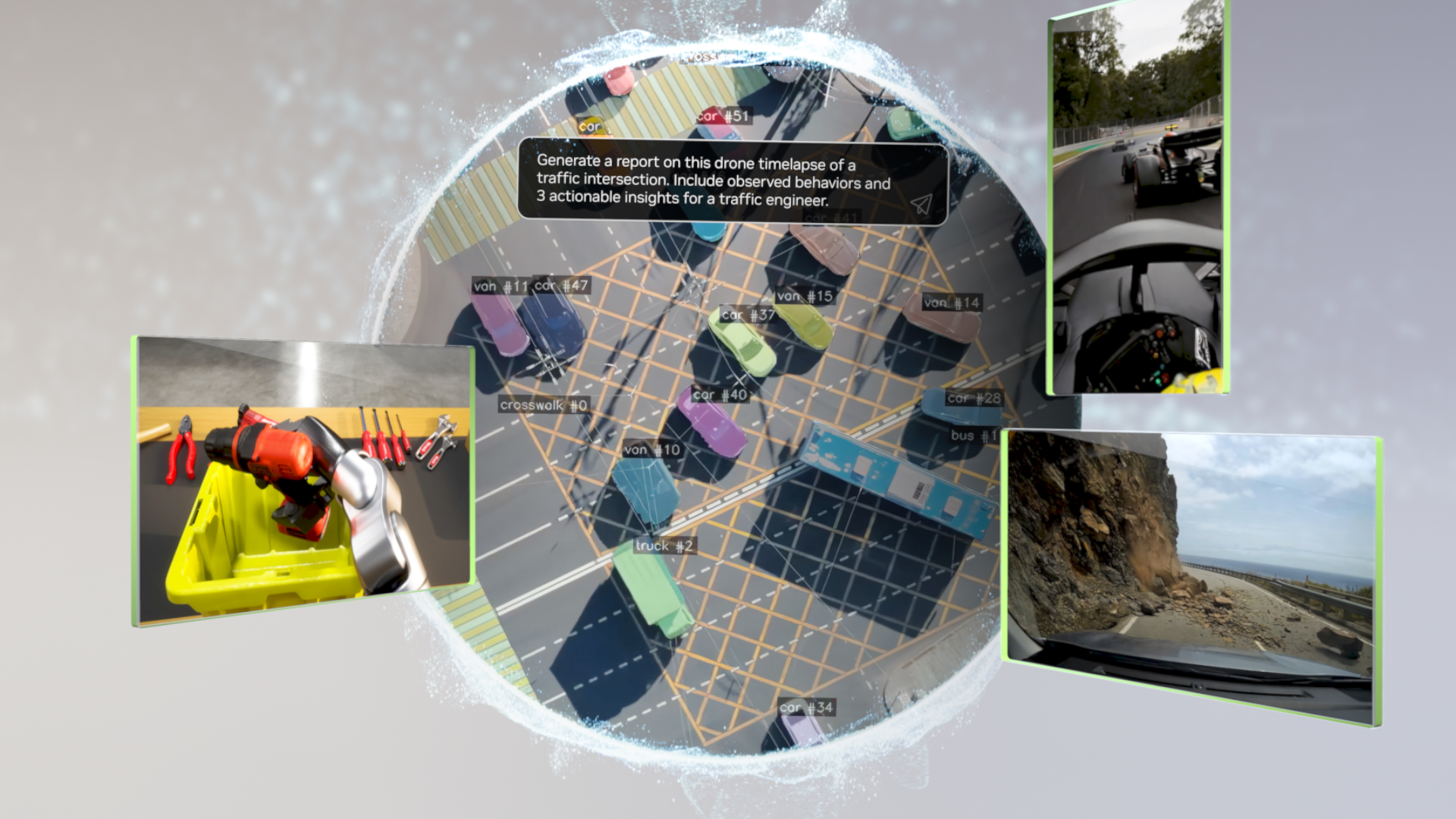
Omniverse is not a new product, but its role is being redefined. Instead of being a niche tool for 3D designers, it is now positioned as the testing ground for physical AI—robots, autonomous vehicles, and industrial systems—where open-weight models can be trained in simulation before touching real hardware. According to the NVIDIA Blog, this 'open world model' approach allows developers to simulate millions of scenarios, reducing the cost and risk of real-world testing.Who Wins and Who Loses in NVIDIA's Open-Weights Pivot?
| Factor | NVIDIA Omniverse + Open Weights | Closed-Model Incumbents (OpenAI, Google) |
|---|---|---|
| Model Access | Free weights, but CUDA/Omniverse required | API-only, usage fees |
| Customization | Fine-tune to specific robot hardware | Limited, vendor-controlled |
| Simulation Ecosystem | Native integration with Omniverse | Requires third-party simulators |
| Data Privacy | On-premise deployment possible | Cloud-based, data leaves premises |
| Developer Lock-in | CUDA and Omniverse APIs | API and platform lock-in |
| Verdict | Winner for robotics startups and industrial users | Winner for general-purpose AI tasks |
Is This Really an 'Open' Ecosystem, or Just CUDA in Disguise?
Here's the uncomfortable truth: NVIDIA's open-weights advocacy does not extend to its core software stack. CUDA remains proprietary, and Omniverse is built on it. A developer can download open-weight models freely, but to run them at scale in simulation, they must buy NVIDIA GPUs and use CUDA. This is not hypocrisy—it's smart business. The open letter was about weights, not infrastructure. NVIDIA is happy to commoditize the models to sell the infrastructure. The risk is that this strategy backfires. If a genuinely open alternative to CUDA emerges—like AMD's ROCm or Intel's OneAPI—NVIDIA's lock-in could be challenged. But as of August 2026, no such challenger has reached the developer mindshare needed to displace CUDA. According to NVIDIA's own blog, the company's 'open world models' are designed to run on any platform, but the performance advantages are clearly CUDA-optimized.What Does This Mean for the Next Generation of Robotics Startups?
For a startup building a robot that sorts parcels or paints cars, the choice is no longer between OpenAI and Google—it's between building on NVIDIA's stack or building everything from scratch. Omniverse offers a ready-made simulation environment, pre-built assets, and a community of developers. The open-weights letter signals that NVIDIA will not compete with these startups by releasing its own physical AI model; instead, it will make money every time they train or deploy. This is a classic platform play, reminiscent of Microsoft's embrace of open-source software in the 2010s. The losers are closed-model incumbents that cannot offer the same level of simulation-integration. The winners are NVIDIA, its ecosystem partners, and the startups that can move fast.NVIDIA's open-weights endorsement is a masterstroke of platform positioning, but it carries a hidden risk: the 'open' label may invite regulatory scrutiny if it is perceived as a lock-in mechanism. In the short term, expect Omniverse to gain traction among robotics developers who value simulation fidelity over model purity. In the long term, NVIDIA's dominance will depend on keeping CUDA relevant as open alternatives improve. I predict that by Q2 2027, at least two major robotics startups will publicly commit to an Omniverse-based training pipeline, citing the open-weights ecosystem as a key factor—but they will also demand that NVIDIA open-source CUDA's core libraries, creating a public pressure campaign.
- By Q2 2027, at least two Fortune 500 manufacturing firms will announce Omniverse-based digital twin pilots using open-weight models for robot training.
- OpenAI will respond by releasing a 'physical AI' model with an open-weight variant by Q4 2026 to counter NVIDIA's ecosystem pull.
- The EU AI Office will launch an inquiry into NVIDIA's CUDA lock-in under the Digital Markets Act by Q1 2027, citing the open-weights letter as evidence of anti-competitive behavior.
- July 2026Open-Weights Letter Signed
NVIDIA joins 200+ signatories advocating open ecosystems for AI leadership.
- August 2026NVIDIA Blog Published
NVIDIA outlines open world models and Omniverse's role in physical AI.
- Q4 2026Omniverse 5.0 Expected
Anticipated release with enhanced open-weight model integration.
- Q2 2027Enterprise Adoption Prediction
Predicted first major manufacturing firms commit to Omniverse-based pilots.
- July 2026: NVIDIA signs 'Open Weights and American AI Leadership' letter with 200+ signatories.
- August 2026: NVIDIA publishes blog post outlining open world models for physical AI.
- Q4 2026: Expected release of Omniverse 5.0 with enhanced open-weight model integration.
- Q2 2027: Predicted first major enterprise adoption announcements.
Projected Omniverse Adoption in Robotics (estimated)
- NVIDIA's open-weights advocacy is a hedge against the commoditization of AI models, not a concession to open-source purists.
- Omniverse's value proposition is simulation quality, not model performance—startups should evaluate it on that basis.
- The real battleground is developer mindshare, and NVIDIA is betting that open weights will attract more developers to CUDA.
- Closed-model incumbents will struggle to compete in physical AI unless they offer simulation-integrated tools.
- Watch for regulatory scrutiny of CUDA's dominance as open-weights rhetoric increases.
Source and attribution
NVIDIA Blog
Into the Omniverse: How Open World Models Push the Frontier of Physical AI






Discussion
Add a comment