

Meta's Tamagotchi Bet Beats OpenAI's Benchmark War
Meta's personal AI agent Muse is reportedly outpacing ChatGPT's early adoption numbers and is headed for smart glasses and a Tamagotchi-style device. This article argues the consumer AI race has quietly shifted from benchmarks to retention, and Meta is the only major lab playing that game on purpose.
Anthropic shipped Opus 5.5. OpenAI countered with GPT-6 updates 90 minutes later. And Meta, which shipped no frontier model that week, walked away with the story. TechCrunch's Equity podcast framed it as Meta's AI Tamagotchi bet — and the framing is sharper than it looks, because Meta is not competing on capability at all.
- Anthropic rolled out Opus 5.5, OpenAI followed with GPT-6 updates 90 minutes later, and Meta still dominated the news cycle with Muse.
- TechCrunch reported Muse is outpacing ChatGPT's early numbers and is headed for smart glasses and a Tamagotchi-style device.
- The tension: OpenAI and Anthropic are optimizing for frontier capability while Meta is optimizing for daily emotional attachment.
- This article argues Meta's distribution and hardware strategy is the real moat, not the model.
What Actually Happened During Model Drop Week?
According to TechCrunch's Equity podcast, the week unfolded as a sequence: Anthropic rolled out Opus 5.5, OpenAI pushed GPT-6 model updates just 90 minutes later, and both companies were promptly upstaged by Meta. TechCrunch reported that Meta's personal AI agent Muse is "reportedly outpacing ChatGPT's early numbers" and is headed for smart glasses and a tiny Tamagotchi-style device next. The episode, hosted by Kirsten Korosec, Anthony Ha, and Sean O'Kane, was published September 25, 2026, and runs 33 minutes and 35 seconds. The detail that matters is not the ordering. It is that two of the most capable labs on earth shipped within 90 minutes of each other and generated less consumer attention than a Meta product that was not even a model release. That is a demand-side signal, not a supply-side one.Why Is Meta Winning a Race It Isn't Running?
Meta is not competing on frontier capability in this cycle. Muse, per TechCrunch's description, is a personal AI agent — a persistent companion, not a benchmark contender. The company's reported plan to push it into smart glasses and a Tamagotchi-style device tells you the design philosophy: attachment over accuracy, presence over parameters. This is a different game. OpenAI and Anthropic are fighting over which model tops which eval. Meta is fighting over which AI shows up in your pocket, on your face, and on your desk every morning. Those are not the same contest, and the second one has historically been far more durable. Tamagotchi sold over 80 million units globally in its original run — not because it was sophisticated, but because it was emotionally sticky. Meta is making a deliberate bet that the same psychology applies to AI.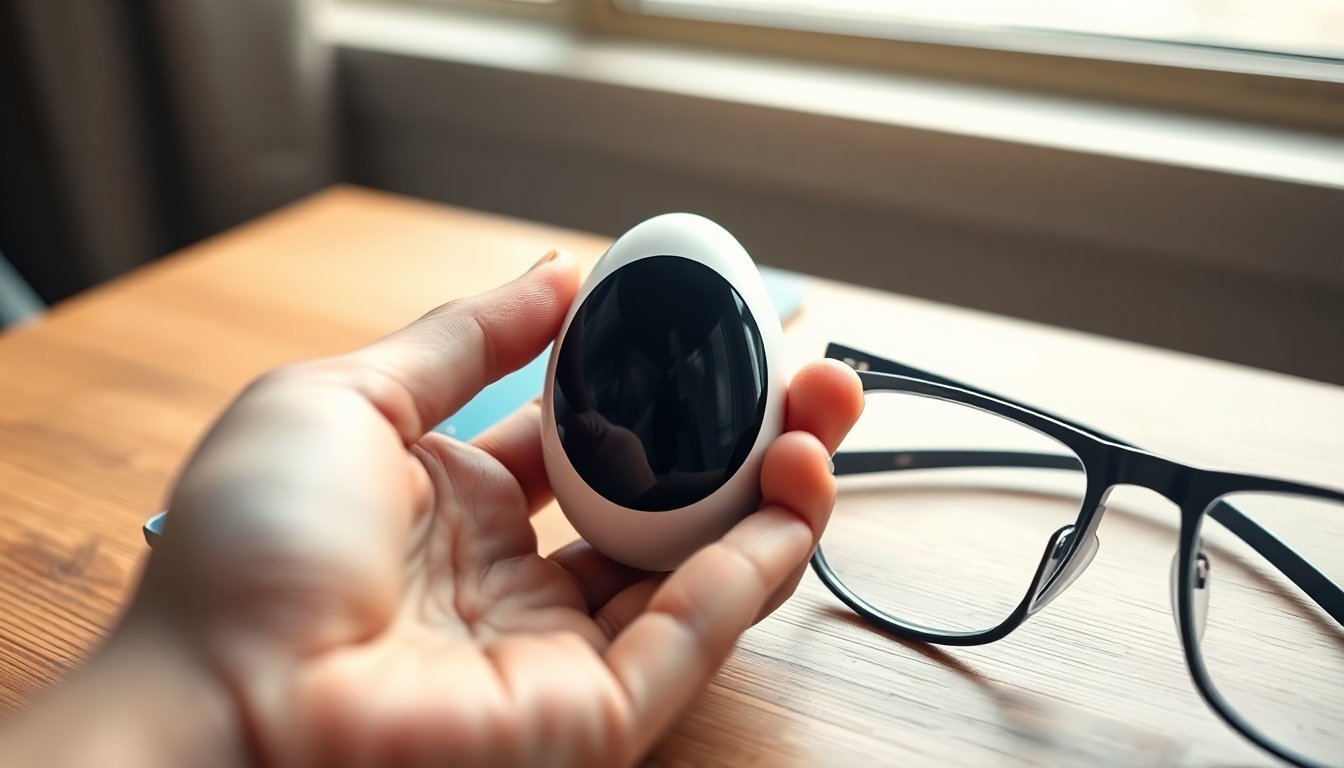
What Does "Pacing the Frontier" Actually Mean Now?
TechCrunch's framing opens with a sharp jab: when AI leaders at OpenAI and Anthropic started talking about "pacing the frontier," maybe someone should have asked — what pace? The 90-minute gap between Opus 5.5 and the GPT-6 updates answers that question in the most unflattering way possible. The pace is whatever the other guy does, plus ninety minutes. That is not pacing. That is a treadmill. And it suggests the "pacing the frontier" rhetoric was always a coordination story told to regulators and the press, not a genuine internal constraint. The moment competitive pressure arrived, the pacing evaporated.How Do the Three Strategies Compare?
| Dimension | Meta (Muse) | OpenAI (GPT-6) | Anthropic (Opus 5.5) |
|---|---|---|---|
| Primary battleground | Consumer habit and hardware | Frontier capability and API | Frontier capability and safety positioning |
| Distribution | Instagram, WhatsApp, glasses, Tamagotchi-style device | ChatGPT app, API, enterprise | Claude app, API, enterprise |
| Reported early traction | Outpacing ChatGPT's early numbers (TechCrunch) | Incremental GPT-6 updates | Opus 5.5 release |
| Moat thesis | Emotional attachment and form factor | Model quality and ecosystem lock-in | Safety brand and enterprise trust |
| Weakness | Capability gap vs. frontier labs | No hardware surface, commoditizing chat | No consumer hardware, premium positioning |
| Verdict | Winner this cycle | Losing the consumer narrative | Winning benchmarks, losing mindshare |
Who Actually Benefits From This Shift?
Startups building on top of frontier models are the immediate losers. If Meta's Muse becomes the default consumer AI surface, the addressable market for wrapper apps shrinks. TechCrunch's episode explicitly digs into "what it means for the startups trying to build on top of this technology" — and the honest answer is that the platform layer is consolidating fast, and Meta owns one of the few platforms that matters. Hardware makers are the quiet winners. Meta's smart glasses and Tamagotchi-style device create a new category that did not exist at scale. Expect copycats within 12 months.Thesis: Meta is winning the consumer AI race precisely because it stopped trying to win the model race.
In the short term — the next two quarters — OpenAI and Anthropic will keep trading benchmark wins and keep losing the consumer narrative. The 90-minute gap between Opus 5.5 and GPT-6 updates is evidence, not anecdote: it shows both labs are reacting to each other rather than to users. Meta, meanwhile, is shipping into surfaces it already owns.
Long term, the risk for Meta is real. A Tamagotchi-style device is a novelty bet, and novelty fades. If Muse's retention curve looks like a Tamagotchi's battery life, Meta will have built a charming toy rather than a durable platform. The company needs Muse to survive past the first six months of daily use, and TechCrunch's reporting does not yet give us retention data — only early adoption numbers, which are a leading indicator of curiosity, not loyalty.
My concrete prediction: by Q2 2027, Meta will announce a Muse subscription tier bundled with Ray-Ban smart glasses, priced below ChatGPT Plus, and OpenAI will respond with a hardware partnership announcement within 90 days. The 90-minute pattern is now a habit.
Predictions
- Meta will ship the Tamagotchi-style Muse device before June 2027, and it will be bundled with a Ray-Ban smart glasses subscription rather than sold as a standalone purchase.
- OpenAI will announce a consumer hardware partnership — most likely with a phone or wearable OEM — within 90 days of Meta's device launch, mirroring the 90-minute reactive pattern seen between Opus 5.5 and GPT-6.
- At least one major startup building a consumer AI wrapper on top of OpenAI or Anthropic APIs will shut down or pivot to enterprise by Q3 2027, citing Meta's Muse distribution advantage.
- September 2026Anthropic ships Opus 5.5
Anthropic rolls out its latest frontier model, Opus 5.5.
- September 2026OpenAI counters 90 minutes later
OpenAI pushes GPT-6 model updates just 90 minutes after Anthropic's release.
- September 25, 2026TechCrunch Equity episode airs
TechCrunch's Equity podcast discusses Meta's Muse, its reported early traction, and the smart glasses and Tamagotchi-style device roadmap.
Article Summary
- Meta's Muse is winning the consumer AI narrative without shipping a frontier model — the first clear proof that distribution beats capability in the consumer layer.
- The 90-minute gap between Opus 5.5 and GPT-6 updates exposes "pacing the frontier" as competitive rhetoric, not a genuine constraint.
- Meta's Tamagotchi-style device is a bet on emotional attachment, not intelligence — and that is a fundamentally different moat than benchmark leadership.
- Startups building consumer wrappers on frontier APIs are the most exposed cohort; Meta's platform consolidation shrinks their addressable market.
- The open question is retention, not adoption: early numbers outpacing ChatGPT's mean nothing if Muse cannot survive six months of daily use.
Source and attribution
TechCrunch AI
Meta’s AI Tamagotchi bet is…working?






Discussion
Add a comment