

Indonesia's AI Talent Gambit: NVIDIA-UGM Center Raises the Stakes
The UGM Indosat NVIDIA AI Technology Center (NVAITC) represents Indonesia's bid to move from AI consumer to AI producer. This analysis examines what the partnership actually delivers, who benefits most, and whether it can compete with established regional AI hubs.
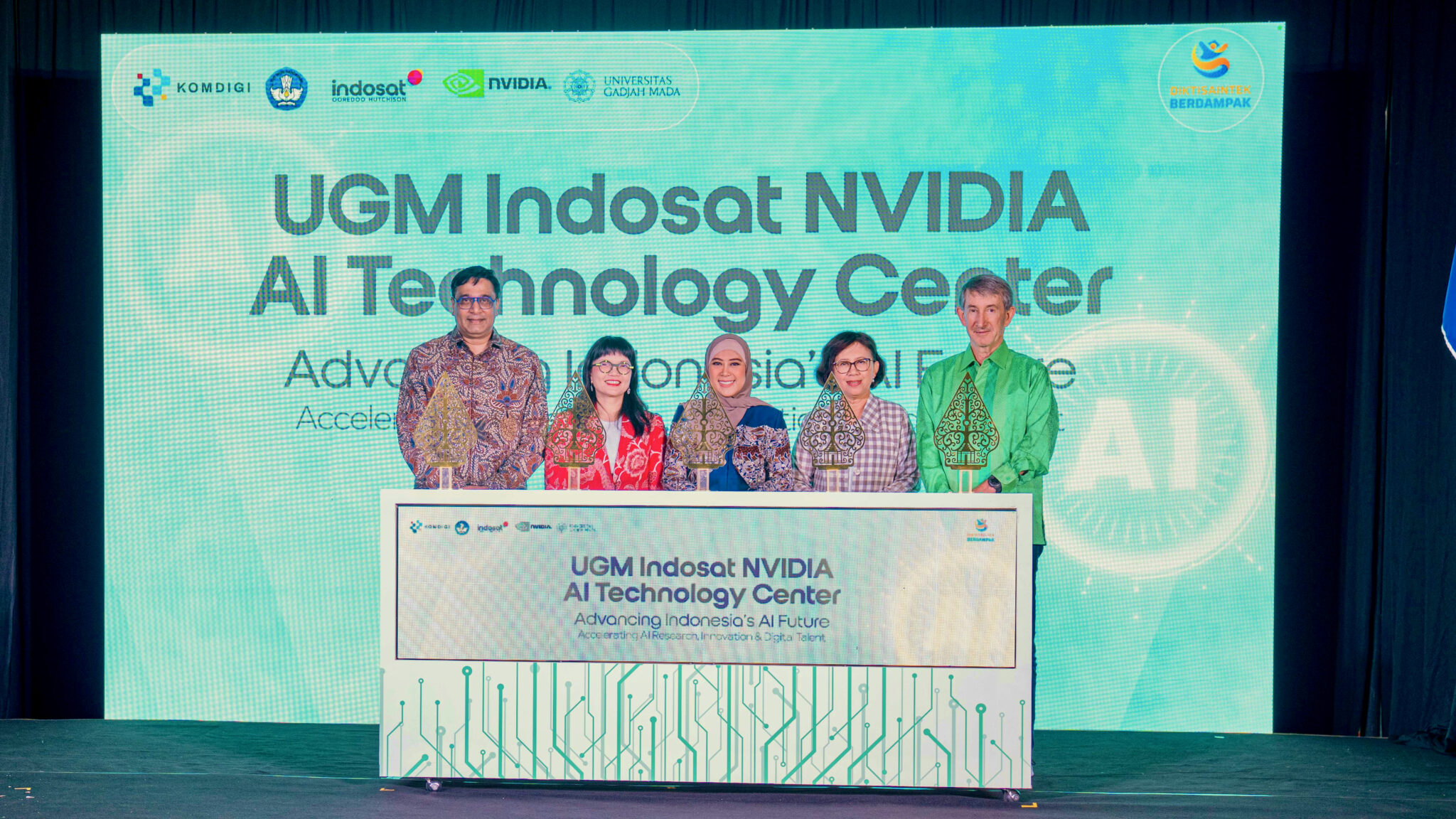
On August 14, 2026, the Ministry of Communication and Digital Affairs (Komdigi), Indosat Ooredoo Hutchison, NVIDIA, and Universitas Gadjah Mada (UGM) launched Indonesia's first university-based AI technology center in Yogyakarta. This is not a ribbon-cutting ceremony — it's a strategic move to build a domestic AI talent pipeline before the region's talent war intensifies.
- Indonesia's first university AI center launched August 14, 2026 in Yogyakarta, backed by Komdigi, Indosat, NVIDIA, and UGM.
- The NVAITC aims to train 20,000 AI practitioners by 2030, with Indosat providing infrastructure and NVIDIA supplying technical expertise.
- This move positions Indonesia against Singapore and Vietnam in the Southeast Asian AI talent race — but success depends on converting academic output into commercial applications.
What Does the NVAITC Actually Deliver Beyond a Launch Ceremony?
According to NVIDIA's official blog published August 14, 2026, the UGM Indosat NVIDIA AI Technology Center is established under Indonesia's AI Center of Excellence framework. The center will focus on AI research, curriculum development, and industry collaboration across sectors including healthcare, agriculture, and telecommunications. NVIDIA reported that the center will leverage its full-stack AI platform, including CUDA, TensorRT, and the NVIDIA DGX systems for on-premises training capacity. Indosat Ooredoo Hutchison said the partnership extends beyond hardware — it includes faculty training programs and joint research projects with UGM's engineering and computer science faculties. What remains unclear is the specific curriculum timeline and how many students will be enrolled in the first cohort.I see this as infrastructure plus intent, but the real test is whether the center produces deployable AI models, not just graduates with certificates. NVIDIA has replicated this playbook across India, Japan, and the Middle East — the differentiating factor here is Indosat's existing telecom infrastructure and its 100 million+ subscriber base as a testing ground.
Why Is Indosat the Linchpin Rather Than a Passive Sponsor?
Indosat Ooredoo Hutchison's role goes beyond corporate social responsibility. The company is embedding the NVAITC into its digital transformation strategy, with the center expected to feed directly into Indosat's network optimization, customer service automation, and predictive maintenance initiatives. According to Indosat's press release accompanying the launch, the company will provide cloud infrastructure, data access, and real-world deployment environments for UGM researchers. This creates a closed loop: students train on NVIDIA hardware, develop models using Indosat's anonymized network data, and deploy solutions back into Indosat's operations. The commercial implications are significant — Indosat gains a cost-effective R&D pipeline that would otherwise require hiring expensive international consultants or licensing foreign AI solutions.The strategic bet is that locally trained AI talent will build solutions tailored to Indonesian language, culture, and business practices — something global AI vendors have consistently failed to deliver. This is a defensive move against regional competitors and an offensive play to differentiate Indosat's enterprise AI offerings.
How Does This Compare to Regional AI Talent Initiatives?
| Dimension | UGM Indosat NVAITC (Indonesia) | AI Singapore (Singapore) | Vietnam's FPT AI Center |
|---|---|---|---|
| Launch Year | 2026 | 2017 | 2019 |
| Industry Partner | Indosat (telecom) | Multiple (government-funded) | FPT (IT services) |
| Hardware Backer | NVIDIA DGX systems | National supercomputing | NVIDIA partnership |
| Primary Focus | Telecom + national AI talent | National AI strategy | Commercial AI products |
| Talent Target | 20,000 by 2030 (stated) | Not publicly specified | Internal upskilling |
| Verdict | Late entrant, strong telecom integration | Mature ecosystem, broader funding | Commercial-first, faster deployment |
Indonesia's late entry is both a disadvantage and an opportunity. AI Singapore has a decade head start, but Indonesia's scale — 270 million people and a growing digital economy — offers a talent pool that Singapore cannot match. The question is whether the NVAITC can overcome bureaucratic inertia and produce industry-ready graduates quickly enough.
Who Actually Benefits From This Three-Way Partnership?
The immediate winners are UGM students and faculty, who gain access to NVIDIA's global AI curriculum and Indosat's real-world data infrastructure. According to Komdigi Minister statements at the launch event, the center aligns with Indonesia's national AI strategy to reduce dependence on foreign AI expertise. Indosat benefits from a cost-effective talent pipeline and potential new revenue streams from enterprise AI services. NVIDIA secures a beachhead in Indonesia's growing AI market, locking in future hardware and software sales. The potential losers are smaller Indonesian universities that lack similar industry partnerships — they risk becoming second-tier institutions in the national AI talent hierarchy.There is also a geopolitical dimension. Indonesia is balancing its AI relationships between the United States (via NVIDIA) and China (via Huawei and Alibaba cloud services). This NVIDIA partnership signals a tilt toward the US tech ecosystem, which could complicate future AI collaborations with Chinese technology providers.
My analysis: The NVAITC is a necessary but insufficient step for Indonesia's AI ambitions.
In the short term, this center will produce trained graduates and research papers — but the real value lies in whether Indosat can commercialize the output within 24 months. The partnership creates a structural advantage for Indosat over its telecom competitors like Telkomsel and XL Axiata, who lack equivalent university partnerships. However, the long-term risk is that the center becomes a credentialing mill rather than an innovation engine. Indonesia's track record with similar initiatives — such as the national AI research center announced in 2020 — shows that infrastructure alone does not guarantee outcomes. The center's success will depend on three factors: sustained funding beyond the initial launch, faculty incentives to prioritize applied research over academic publication, and Indosat's willingness to share proprietary network data. If Indosat treats the center as a marketing exercise rather than a strategic R&D investment, the initiative will stall by 2028.
What Are the Falsifiable Predictions for the Next 24 Months?
- By Q3 2027, Indosat will launch at least one commercial AI product developed at the NVAITC — likely a network optimization tool or customer service automation system — or the center's funding will face internal review.
- By Q1 2028, at least two other Indonesian universities will announce similar AI centers with competing technology partners (likely Huawei or Microsoft), diluting UGM's first-mover advantage.
- By end of 2027, the center will have trained fewer than 5,000 practitioners — significantly below the stated 20,000 target — due to faculty capacity constraints and infrastructure bottlenecks.
What Does This Mean for Indonesia's AI Sovereignty Agenda?
Indonesia's AI sovereignty narrative depends on building domestic capability rather than importing foreign solutions. The NVAITC is a concrete step toward that goal, but sovereignty also requires data governance frameworks, compute infrastructure, and regulatory clarity. According to the Ministry of Communication and Digital Affairs, Indonesia's AI Center of Excellence framework is designed to coordinate these efforts nationally. The partnership with NVIDIA creates a dependency on US technology — which may conflict with Indonesia's stated policy of technological neutrality. This tension will become more pronounced as Indonesia negotiates AI cooperation agreements with China, the EU, and other partners. The center's success will be measured not only by graduate numbers but by whether Indonesian-developed AI solutions can compete in domestic and regional markets.- August 2026NVAITC Launch
UGM, Indosat, NVIDIA, and Komdigi launch Indonesia's first university AI center in Yogyakarta.
- Q3 2027First Commercial Product
Predicted: Indosat launches first AI product developed at the NVAITC or faces funding review.
- Q1 2028Regional Competition Emerges
Predicted: Other Indonesian universities announce competing AI centers with rival technology partners.
Article Summary
- The NVAITC is Indonesia's most concrete AI talent development initiative to date, but it carries inherent dependency risks on NVIDIA's ecosystem.
- Indosat's dual role as funder and deployment partner creates a unique commercial-testing loop that pure academic centers lack.
- Indonesia's late entry into the regional AI talent race means the center must deliver commercial results faster than typical academic timelines.
- The partnership signals Indonesia's alignment with the US tech ecosystem, potentially complicating its broader geopolitical technology relationships.
- Success metrics should focus on commercial deployments and graduate employment outcomes, not just student counts or research publications.






Discussion
Add a comment