

Google's AI Coding Mess: Anthropic Eats Google's Lunch
Google's internal politics have left it playing catch-up in AI coding tools, with Anthropic's Claude Code winning enterprise adoption. The company's restructuring efforts face an uphill battle against entrenched rivals.
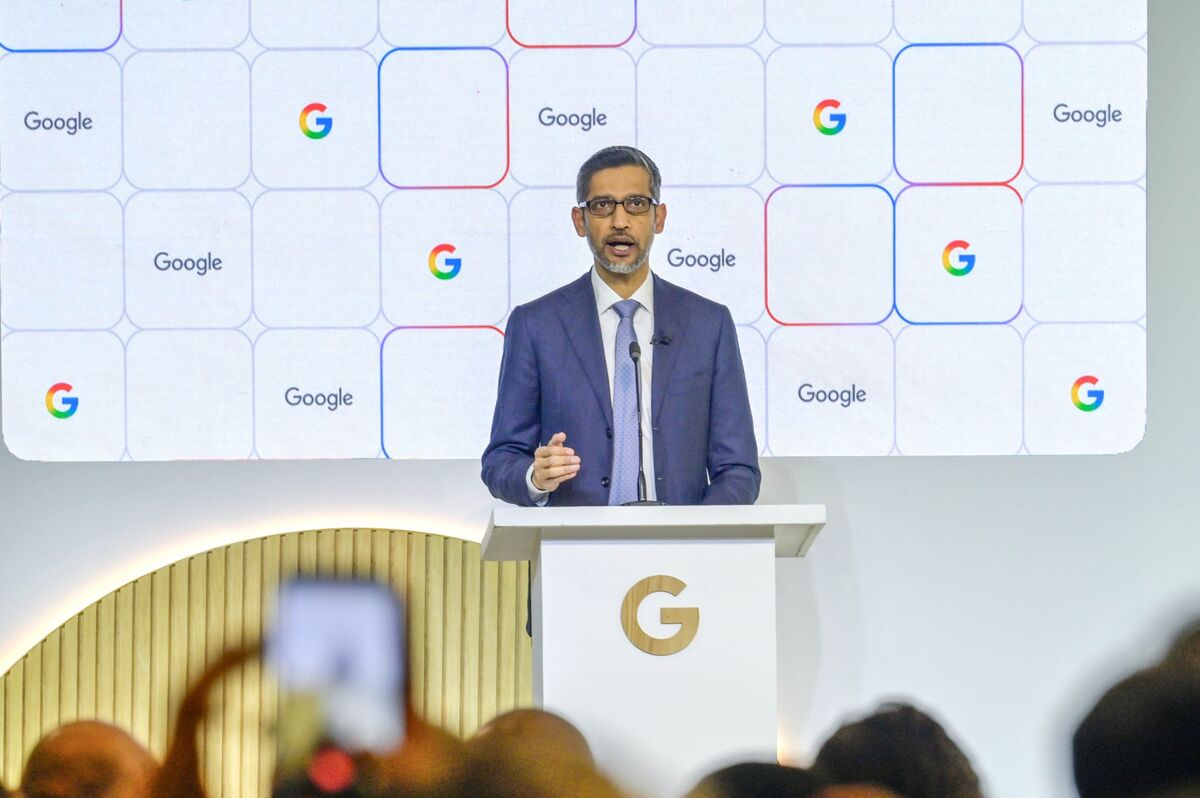
Google's AI coding strategy is a cautionary tale of internal fragmentation. According to Bloomberg, the search giant's leaders are 'anxious about falling behind' as Anthropic's Claude Code gains traction with enterprise developers. The company is now scrambling to consolidate its scattered coding initiatives under a single banner, but the damage to its reputation among developers may already be done.
- Google is unifying its fragmented AI coding initiatives after falling behind Anthropic's Claude Code, according to Bloomberg.
- Anthropic's tool is reportedly more effective and popular with businesses, creating a clear competitive gap.
- The restructuring may take 12-18 months to show results, during which Anthropic and GitHub Copilot will solidify their positions.
- Enterprise developers face a practical tradeoff: Google's ecosystem integration vs. Anthropic's superior code quality.
Why Is Google's AI Coding Strategy Falling Behind Anthropic?
According to Bloomberg, Google's internal politics have created a 'fragmented landscape' of competing coding initiatives, with different teams pursuing separate approaches without coordination. Meanwhile, Anthropic has shipped a unified, polished product in Claude Code that enterprise customers actually prefer. As Bloomberg reported, 'leaders are anxious about falling behind in the race to offer AI coding tools, especially as rivals like Anthropic PBC offer more effective and popular tools to businesses.' This isn't a technology problem — Google's Gemini models are competitive. It's an organizational problem. When you have seven teams building seven versions of the same tool, none of them get the polish and integration that a single focused team can deliver. Anthropic's advantage isn't just model quality; it's execution velocity.
What Operational Tradeoffs Do Enterprise Developers Face Right Now?
Enterprise developers choosing between Google and Anthropic face a concrete set of tradeoffs. Google offers deep integration with its cloud ecosystem — BigQuery, Cloud Run, and GKE — but the coding tools themselves feel like beta products. Anthropic's Claude Code offers superior code generation quality and a more reliable developer experience, but its integration with Google Cloud is shallow. According to Anthropic's own enterprise documentation, Claude Code supports 'direct integration with GitHub, GitLab, and Bitbucket' but lists Google Cloud services as 'coming soon.' This means teams already invested in Google Cloud must either accept a subpar coding experience or manage a multi-vendor workflow that increases operational complexity.| Dimension | Google (Gemini Code Assist) | Anthropic (Claude Code) |
|---|---|---|
| Code generation quality | Good for boilerplate | Excellent for complex logic |
| Ecosystem integration | Deep with GCP | Shallow with GCP, deep with GitHub |
| Enterprise adoption | Low, fragmented | Growing rapidly |
| Unified product | No (multiple initiatives) | Yes (single product) |
| Pricing | Included in GCP enterprise | Per-seat subscription |
| Verdict | Best for GCP-locked teams | Best for code quality |
Who Actually Benefits From Google's Restructuring?
Short-term, the main beneficiaries are Anthropic and Microsoft. Every month Google spends reorganizing is a month Anthropic uses to lock in enterprise customers. Microsoft's GitHub Copilot, already the market leader, faces less pressure from a distracted Google. Medium-term, Google's own enterprise customers benefit — if the restructuring actually works. But 'if' is doing a lot of work here. Google has a history of launching and then abandoning developer tools (remember Google+ for developers? App Engine's neglect?). The current restructuring is a necessary but not sufficient condition for recovery. Long-term, the losers are Google's own developers who must navigate the chaos, and any enterprise that bets on Google's AI coding tools before the restructuring shows results.My thesis: Google's AI coding problems are 80% organizational and 20% technical, making them harder to fix than a pure technology gap.
Short-term (next 6 months), Anthropic will continue to win the narrative and the enterprise deals. Google's restructuring will produce internal friction before it produces results. Medium-term (6-18 months), Google has a chance to recover if it can deliver a unified product that matches Claude Code's quality while offering superior GCP integration. But this requires sustained executive attention — something Google's AI efforts have historically lacked.
The biggest winner here is Anthropic, which has executed a textbook market entry: identify a fragmented competitor, ship a focused product, and capture the high-value enterprise segment before the incumbent can respond. The biggest loser is Google's developer reputation, which takes another hit after years of tooling neglect.
My prediction: By Q3 2027, Google will ship a unified AI coding product, but it will hold less than 15% enterprise market share against Anthropic (25%) and GitHub Copilot (40%). The remaining 20% will be split among other players.
What Should Developers and Engineering Leaders Do Now?
1. Don't wait for Google. If you need reliable AI coding tools today, adopt Anthropic's Claude Code or GitHub Copilot. Google's unified product is at least 12 months away. 2. Multi-vendor is the new normal. Plan for a world where your coding assistant is from one vendor and your cloud provider is from another. Invest in abstraction layers that make switching easier. 3. Watch for Google's execution, not announcements. Google will likely announce a unified coding initiative within 6 months. Judge it by shipping dates and developer reviews, not press releases.Predictions
1. By December 2026, Anthropic will announce that Claude Code has surpassed $500M in annual recurring revenue, driven primarily by enterprise customers who switched from Google's fragmented offerings. 2. By June 2027, Google will ship a unified AI coding product under the 'Gemini Code' brand, but it will fail to gain significant traction due to lingering developer distrust and Anthropic's head start. 3. By Q1 2028, the enterprise AI coding market will consolidate to three major players: GitHub Copilot (Microsoft), Claude Code (Anthropic), and a distant third-place Google.- April 2026Bloomberg reports Google's AI coding struggles
Google leaders express anxiety about falling behind Anthropic in AI coding tools; restructuring begins.
- Expected Q3 2027Google's unified AI coding product ships
Predicted launch of consolidated Gemini Code product after restructuring.
Article Summary
- Google's AI coding fragmentation is a self-inflicted competitive wound that no amount of restructuring can quickly fix.
- Anthropic's Claude Code is winning not because of superior models, but because of superior product execution and organizational focus.
- Enterprise developers should adopt multi-vendor strategies now, rather than waiting for Google's unified product.
- Google's developer reputation is the hidden casualty — another broken promise erodes trust that takes years to rebuild.
- The AI coding tools market is consolidating around three players, and Google is fighting for third place.
Source and attribution
Bloomberg Technology
Google’s Internal Politics Leave It Playing Catch-Up on AI Coding






Discussion
Add a comment