
Google Rents Its Smart Home to Claude and ChatGPT
Google's new Home MCP server lets third-party AI agents operate smart home devices and camera feeds through natural language. The move trades exclusivity for ecosystem reach, and it reframes the smart home fight as a contest over agent interfaces rather than hardware.
On September 16, 2026, Google opened early access to an MCP server for Google Home, letting AI agents from Anthropic, OpenAI and others control connected devices, pull camera summaries and read smart home activity through natural language. The shift is not that agents can flip a light switch — it is that Google is handing the conversational keys to competitors rather than guarding them.
- What happened: Google launched early access to an MCP server for Google Home on September 16, 2026, per TechCrunch AI, enabling AI agents like Claude and ChatGPT to control devices and review camera summaries.
- Why it matters: Google is opening its smart home graph to rival AI agents instead of walling it off — a strategic concession that prioritizes ecosystem gravity over assistant exclusivity.
- Key tension: Agent reach expands fast, but camera and presence data now route through third-party models, creating a privacy and trust surface Google does not fully control.
What Exactly Did Google Announce?
According to TechCrunch AI, Google is launching early access to a new MCP server for Google Home. The server allows AI agents — explicitly including Claude and ChatGPT — to control connected devices, review camera summaries, and access smart home activity using natural language. The report is dated September 16, 2026. The technical substance is the MCP layer. Model Context Protocol gives agents a standardized way to call tools and read context, so a Google Home MCP server effectively converts Nest cameras, thermostats, lights and speakers into callable functions for any compliant agent. Google did not announce pricing, rate limits or a full device compatibility list in the source material, which matters: early access usually means narrow device coverage and manual allowlisting. My read: this is a distribution play disguised as a developer feature. Google is not shipping a better assistant; it is shipping an adapter that lets every other assistant work inside its home.Why Would Google Hand Rivals the Keys to Its Home?
Because the alternative is worse. If Claude and ChatGPT become the default way people talk to their homes, Google can either be the substrate those agents run on or be bypassed entirely by Matter-compatible hubs and third-party bridges. Google's own developer documentation for Assistant and smart home integrations has long emphasized broad device interoperability, and the MCP move extends that logic from device makers to agent makers. TechCrunch AI framed the launch as agents gaining control of Google Home devices — a framing that undersells the strategic inversion. Google is renting access to its installed base rather than defending it. The risk is asymmetric. Google gains relevance in the agent era; it loses the assumption that its own assistant is the only front door.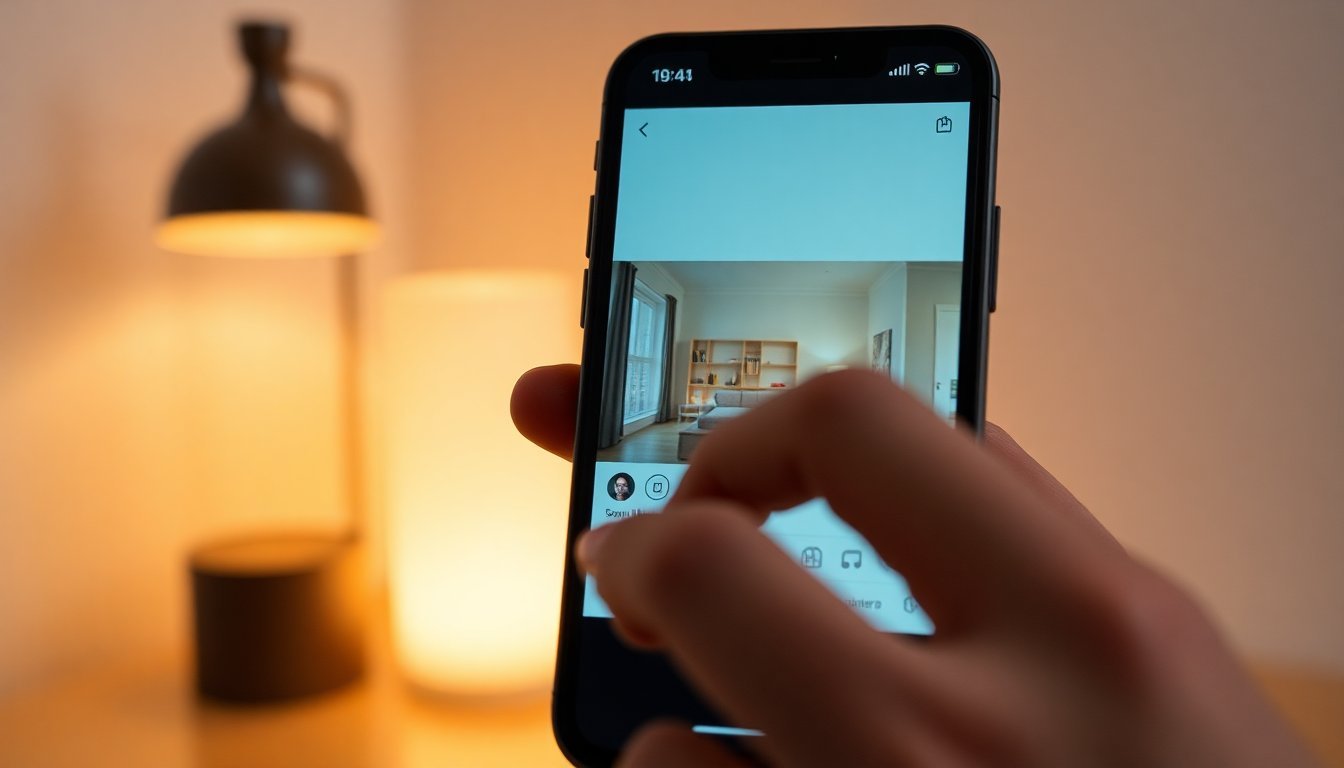
Which Agent Platforms Actually Benefit?
Anthropic and OpenAI benefit most in the near term. Claude and ChatGPT are named in the source material as agents that can use the server, which means both get instant smart home reach without building hardware relationships. Smaller MCP-native agent startups benefit too, but with less leverage — they lack the consumer distribution to convert device control into daily usage. Samsung's SmartThings, Amazon's Alexa ecosystem, and Apple's HomeKit are the comparison set. Each has pursued a different strategy: Amazon has leaned on Alexa as the interface, Apple has leaned on privacy and tight hardware integration, and Samsung has leaned on open standards. Google's MCP server is closest to Samsung's philosophy but executed through an AI-native protocol rather than a device standard.| Player | Interface strategy | Agent openness | Privacy posture | Near-term position |
|---|---|---|---|---|
| Google Home (MCP) | Rent interface to any agent | High — MCP server, early access | Unclear; camera data flows to third parties | Strong ecosystem reach |
| Amazon Alexa | Own the assistant | Low — Alexa-first | Controlled within Amazon | Defensive |
| Apple HomeKit | Own the hardware + privacy story | Low — Siri-centric | Strongest on-device claims | Premium niche |
| Samsung SmartThings | Open standards, multi-assistant | Medium | Mixed | Standards play |
| Anthropic / OpenAI agents | Ride on Google's MCP | N/A — consumers of the server | Dependent on Google's controls | Immediate reach gain |
| Verdict | Google wins on reach, Anthropic and OpenAI win on capability, Amazon and Apple lose the interface default unless they match MCP openness. | |||
What Does Camera Access Change?
Everything about the risk profile. Device control is low-stakes — a mis-triggered light is annoying. Camera summaries and smart home activity are surveillance-adjacent data, and routing them through a third-party model means Google's privacy boundary now ends at the MCP call. TechCrunch AI reported that agents can review camera summaries and access smart home activity, not just toggle devices. That distinction is the whole story. A thermostat command is a scalar; a camera summary is a narrative about who was home and when. Google has not, in the source material, described retention limits, whether camera frames leave Google infrastructure, or how users revoke agent access. Those are the questions that will define whether early access becomes general availability or a regulatory exhibit.Who Loses If This Works?
Closed assistants and hardware-locked hubs. If MCP becomes the default agent-to-device protocol, the value of a proprietary voice assistant collapses — it becomes a skin over someone else's tool graph. Amazon's Alexa and Apple's Siri are most exposed, because both were positioned as the reason to buy their hardware. Device makers with their own apps also lose leverage. If a user can say "Claude, dim the living room and tell me if anyone came to the door," the manufacturer app becomes a settings screen, not a daily destination.Thesis: Google's Home MCP server is a deliberate concession that trades assistant exclusivity for agent-era relevance, and it will accelerate the collapse of proprietary voice assistants as a moat.
Short term, this is a developer story with limited device coverage and unclear privacy controls. Long term, it makes MCP the de facto contract between AI agents and physical space, which is a bigger prize than any single assistant. Google gains because its home graph becomes infrastructure; Anthropic and OpenAI gain because their agents get bodies. Amazon and Apple lose because their assistants stop being the only way in.
Prediction: By Q2 2027, Amazon will announce an MCP-compatible Alexa endpoint or a competing agent-access protocol, because the alternative is watching Claude and ChatGPT become the default voice of the smart home.
Predictions
1. Anthropic will ship a Claude feature explicitly marketed as Google Home control by Q1 2027, using the MCP server as the headline integration. 2. At least one EU data protection authority will open an inquiry into camera summary data flowing through third-party AI agents by mid-2027. 3. Amazon will announce an MCP-compatible or equivalent agent-access layer for Alexa within two quarters of Google's general availability.- September 2026Google opens Home MCP early access
Google launches early access to an MCP server for Google Home, per TechCrunch AI, enabling agents like Claude and ChatGPT to control devices and review camera summaries.
- Q1 2027Expected Claude Home integration
Predicted: Anthropic ships a Claude feature marketed around Google Home control via the MCP server.
- Q2 2027Expected Amazon response
Predicted: Amazon announces an MCP-compatible or equivalent agent-access layer for Alexa.
Agent openness of major smart home platforms (estimated)
Article Summary
- Google's Home MCP server is a distribution play, not an assistant upgrade — it rents the home interface to rivals.
- Camera summaries, not light switches, are the real privacy story and the real regulatory risk.
- Anthropic and OpenAI gain instant device reach; Amazon and Apple lose the interface default.
- MCP is becoming the contract layer between AI agents and physical space, which is the strategic prize.
- Watch for an Amazon response within two quarters — silence would signal capitulation on the assistant-as-moat thesis.

Source and attribution
TechCrunch AI
Your AI agents can now control your Google Home devices






Discussion
Add a comment