

AI Labs Warn on Bioweapons. Biotech Still Lacks Screening.
AI lab CEOs are publicly warning that their own technology could enable bioweapons. The real biosecurity lever, however, is DNA synthesis screening and biotech lab standards — not the pace of model releases.
Anthropic CEO Dario Amodei said AI carries serious risk and that progress should be slowed; OpenAI CEO Sam Altman replied on X that he agrees with Dario that we need to pace the frontier. Two of the most powerful AI leaders in the world are now publicly aligned on the danger of their own products. The question is whether that alignment produces biosecurity policy or just another round of safety theater.
- Anthropic CEO Dario Amodei argued that AI carries serious risk and progress should be slowed; OpenAI CEO Sam Altman said on X that he agrees with Dario that we need to pace the frontier.
- The two biggest frontier AI labs are now publicly aligned on the bioweapons risk narrative, which changes the politics of AI regulation.
- The actual biosecurity bottleneck is DNA synthesis screening and biotech lab standards, not model weights — and the current debate is not focused there.
- Expect the AI labs to use this alignment to shape the next round of safety rules in their favor.
Why Are AI CEOs Suddenly Warning About Bioweapons?
According to MIT Technology Review, the warnings came in recent weeks and specifically name AI-enabled bioweapons as a category of concern. This is not the first time AI leaders have flagged bio risk — OpenAI and Anthropic have both published biosecurity frameworks — but the public alignment between Amodei and Altman is new. The timing matters. Frontier models are now good enough at protein structure, lab protocol reasoning, and literature synthesis that the marginal uplift to a malicious actor is no longer hypothetical. Altman said on X that he agrees with Dario that we need to pace the frontier, which is a notable concession from the CEO of the company most associated with rapid deployment. The strategic read: both labs want to be the ones writing the rules. By naming the risk publicly, they make themselves the credible authors of any future biosecurity standard. That is a classic regulatory moat play — define the danger, then define the compliance regime that only you can afford to meet.What Does the Evidence Actually Support?
MIT Technology Review reported that the warnings came from leaders of some of the biggest AI companies, and that the bioweapons specter is a wake-up call for biotech specifically. That framing is important. The bio risk does not live only in the model. It lives in the synthesis equipment, the lab protocols, the shipping logistics, and the screening databases. A model that can suggest a sequence is dangerous only if someone can order that sequence without being flagged. According to MIT Technology Review, the wake-up call is for biotech — meaning the industry that actually handles DNA synthesis and lab safety, not just the AI labs.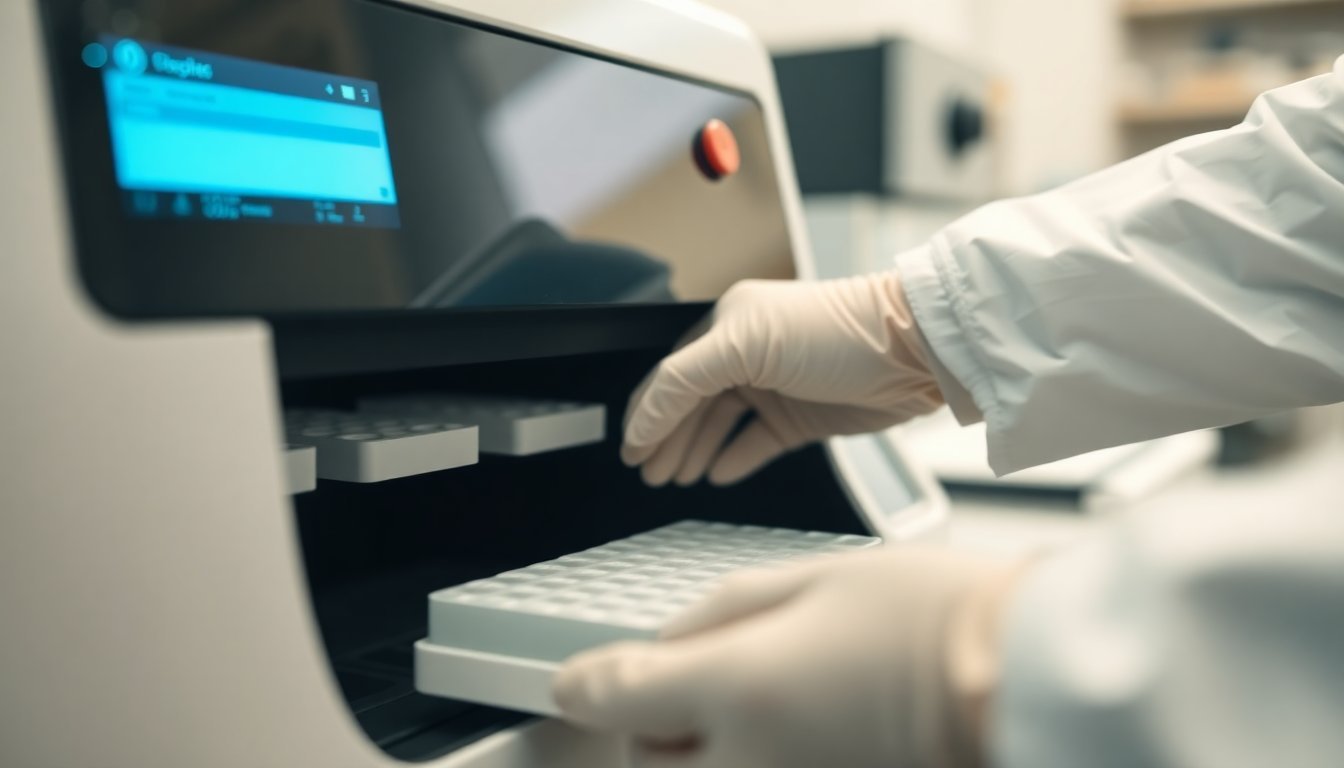
Who Is Actually Exposed — AI Labs or Biotech?
The honest answer is both, but not equally. AI labs face reputational and regulatory exposure if a model is misused. Biotech firms, contract research organizations, and synthesis providers face direct operational exposure: they are the ones who would ship the material. The current public debate is dominated by the AI side because AI CEOs have bigger microphones. That asymmetry is a problem. If the policy response is written by AI labs, it will focus on model release schedules and red-teaming, which are real but secondary. If it is written with biotech at the table, it will focus on synthesis screening, customer verification, and lab biosafety — which is where the actual risk reduction happens.| Dimension | AI Labs (OpenAI, Anthropic) | Biotech / Synthesis Providers |
|---|---|---|
| Primary risk surface | Model uplift to malicious actors | Physical DNA synthesis and shipping |
| Existing controls | Usage policies, red-teaming, evals | Customer screening, sequence screening |
| Regulatory exposure | High and rising | Fragmented, country-by-country |
| Public voice in debate | Loud, coordinated | Quiet, fragmented |
| Best lever for risk reduction | Model access controls | Universal synthesis screening |
| Verdict | Shaping the narrative | Holding the actual risk |
What Would Real Biosecurity Policy Look Like?
It would look like mandatory synthesis screening, verified customer identity for anyone ordering synthetic DNA, and audited biosafety training in labs that handle dangerous pathogens. None of that requires slowing down AI model releases. All of it requires biotech firms to accept costs and regulators to write enforceable rules. The AI labs' "pace the frontier" framing is convenient because it puts the burden on model release timing — something they control — rather than on the biotech supply chain, which they do not. According to MIT Technology Review, the bioweapons specter is a wake-up call for biotech, and that is the correct target.What Happens Next?
Expect the AI labs to keep coordinating their public safety messaging, because it buys them credibility with regulators and a seat at the table. Expect biotech to be slow to respond, because the industry is fragmented and has no single voice comparable to OpenAI or Anthropic. Expect the actual policy to land first on AI model access and only later on synthesis screening — which is backwards from a risk-reduction standpoint. The gap between the loudest warning and the most effective intervention is the story here.
The thesis is simple: the AI-bio weapons debate is being framed by the wrong industry, and the fix is synthesis screening, not model pacing. What is known: Amodei said AI carries serious risk and progress should be slowed; Altman said on X that he agrees with Dario that we need to pace the frontier; MIT Technology Review reported the bioweapons specter is a wake-up call for biotech. What is inferred: the AI labs are using the safety narrative to shape regulation in their favor, and biotech is underweighted in the debate. Short term, the AI labs win the narrative and probably get favorable regulatory treatment. Long term, if synthesis screening is not mandated, the actual risk surface stays open regardless of how slowly models are released. My concrete prediction: by mid-2027, at least one major DNA synthesis provider will announce a mandatory customer verification program in response to regulatory pressure, and it will be framed as an industry-led standard rather than a government mandate.
Predictions
1. By Q2 2027, OpenAI and Anthropic will both publish updated biosecurity frameworks that include third-party audit provisions, positioning themselves as the compliance standard-setters for AI-bio risk. 2. By mid-2027, at least one major DNA synthesis provider (e.g., Twist Bioscience or IDT) will announce mandatory customer verification and sequence screening, framed as an industry-led standard. 3. By end of 2027, the EU will propose binding synthesis screening rules under its biosecurity framework, with the US following via executive action rather than legislation.- September 2026Amodei warns on AI risk
Anthropic CEO Dario Amodei argues that AI carries serious risk and that progress should be slowed.
- September 2026Altman agrees on pacing
OpenAI CEO Sam Altman responds on X that he agrees with Dario that we need to pace the frontier.
- September 2026MIT Tech Review frames biotech wake-up call
MIT Technology Review publishes analysis arguing the AI-enabled bioweapons specter is a wake-up call for biotech.
- Mid-2027 (predicted)Synthesis screening mandate
At least one major DNA synthesis provider announces mandatory customer verification and sequence screening.
Public Safety Warnings vs. Concrete Biosecurity Controls (estimated)
Article Summary
- The AI-bio weapons debate is being led by AI labs, but the actual risk lives in the biotech supply chain.
- Amodei and Altman are publicly aligned on slowing the frontier, which is a regulatory positioning move as much as a safety statement.
- Synthesis screening and lab biosafety are the levers that would actually reduce risk; model release pacing is secondary.
- Expect AI labs to shape the next round of safety rules in their favor while biotech stays quiet and fragmented.
- The gap between the loudest warning and the most effective intervention is the real story.

Source and attribution
MIT Technology Review
The specter of AI-enabled bioweapons is a wake-up call for biotech






Discussion
Add a comment