
Ternus Takes Apple CEO Seat: Hardware Wins, Services Wavers
Apple appointed hardware chief John Ternus as CEO, with Tim Cook becoming executive chairman. The succession signals a hardware-first strategy and raises questions about Apple’s ability to compete in AI and services.
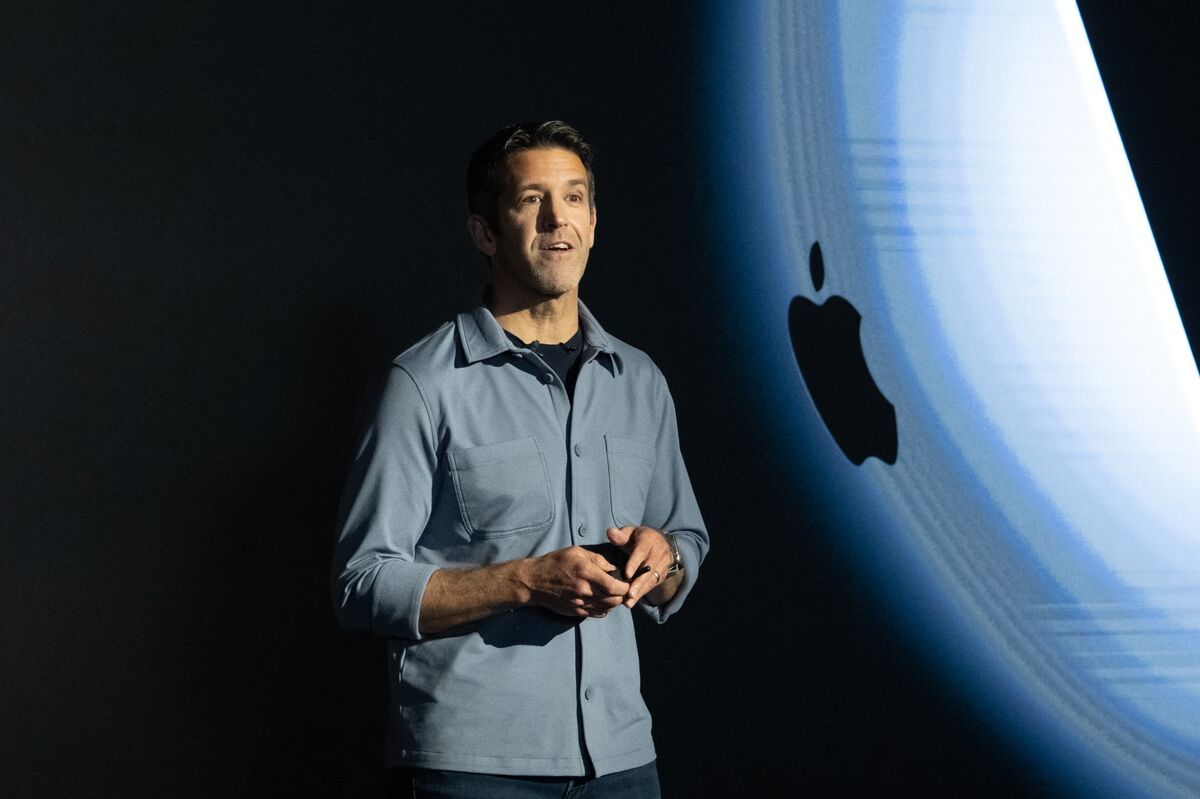
On April 20, 2026, Apple ended years of succession speculation by naming hardware chief John Ternus as its next CEO, effective immediately. Tim Cook, who led the company for 15 years, transitions to executive chairman. The move is a clear bet that Apple’s future lies in hardware integration — not services or AI — at a moment when competitors are racing toward software-defined devices.
- Apple named hardware chief John Ternus as its next CEO on April 20, 2026; Tim Cook becomes executive chairman.
- Ternus oversaw the transition to Apple Silicon and led hardware engineering for the iPhone, iPad, and Mac lines.
- The appointment signals Apple will prioritize hardware integration over services or AI as its primary growth vector.
- Analysts question whether Ternus can maintain Apple’s supply-chain discipline without Cook’s operational experience.
Why Did Apple Choose a Hardware Chief Over a Services or AI Leader?
According to Bloomberg Technology, which broke the news on April 20, 2026, Apple’s board selected Ternus after a years-long succession process that considered multiple internal candidates. The decision to elevate a hardware executive — rather than a services or software leader — is the strongest signal yet of Apple’s strategic priorities. Ternus, 48, has spent his entire 24-year Apple career in hardware engineering, most notably leading the transition from Intel to Apple Silicon, which began in 2020 and was completed by 2023. That project remains Apple’s most consequential product shift since the iPhone launch. By choosing Ternus, the board is betting that hardware integration — not AI services or subscription growth — will define Apple’s next decade.
What Does Tim Cook’s Executive Chairman Role Actually Mean?
Cook’s move to executive chairman is not a ceremonial retirement. Apple’s leadership page confirms Cook will remain actively involved in board governance and long-term strategy. The Financial Times reported that Cook had been planning this transition for at least two years, and that his new role will focus on government relations, supply-chain resilience, and major capital allocation decisions. In practice, this means Ternus will run day-to-day product and operations, while Cook retains veto power over acquisitions, factory locations, and regulatory strategy. It is a hybrid model that few companies have attempted — and one that risks creating a shadow CEO dynamic if the two disagree on key decisions.
How Does Ternus Compare to Cook as a CEO Candidate?
| Dimension | Tim Cook (2011–2026) | John Ternus (2026–) |
|---|---|---|
| Background | Supply chain, operations | Hardware engineering |
| Key achievement | Apple Silicon transition, services growth to $85B | Led Apple Silicon engineering, Vision Pro hardware |
| Product philosophy | Margin-first, ecosystem lock-in | Integration-first, differentiation through hardware |
| AI/software credentials | Oversaw Siri, Apple Intelligence investment | No public AI leadership role |
| Supply-chain expertise | World-class (Foxconn, TSMC relationships) | Untested at CEO level |
| Verdict | Ternus inherits a hardware powerhouse but lacks Cook’s operational breadth. The bet is that hardware excellence alone will sustain Apple’s premium positioning. | |
Who Wins and Who Loses in This Succession?
The winners are clear: Apple’s hardware supply chain, including TSMC and Foxconn, which can expect continued investment in custom silicon and assembly capacity. According to Bloomberg, Ternus has deep relationships with both companies from the Apple Silicon transition. Losers include Apple’s services division, which had hoped for a CEO who would prioritize subscription growth over hardware margins. Apple’s AI efforts also face uncertainty. Unlike Microsoft, which elevated a cloud-and-AI CEO in Satya Nadella, Apple chose a hardware leader at a time when generative AI is reshaping the industry. According to a recent report from The Information, Apple’s internal AI teams have struggled to match the pace of OpenAI and Google, and Ternus’s appointment does little to reassure investors that Apple will catch up.
My analysis: This is the most conservative succession Apple could have made. The board chose continuity over reinvention, betting that hardware integration — Apple’s historic strength — will remain its moat even as the industry shifts to software-defined intelligence. In the short term, this is a net positive: Ternus knows the product pipeline, the supply chain trusts him, and Cook’s continued presence as chairman provides a safety net. But the long-term risk is existential. Apple is now the only major tech company without a CEO who has publicly championed AI as a core strategic pillar. If the next iPhone cycle fails to deliver a compelling AI experience, the board will have to answer for why it chose a hardware specialist over a software or AI leader. The concrete prediction: within 18 months of Ternus’s tenure, Apple will acquire at least one mid-size AI startup (valuation $1–5B) to fill the leadership gap in generative AI.
Predictions
- Apple will acquire a generative AI startup within 18 months. Ternus’s hardware focus will force Apple to buy AI talent rather than build it organically. The most likely target is a company with expertise in on-device inference, such as a startup specializing in small language models.
- Apple’s services revenue growth will slow below 10% annually by 2028. Without a CEO who champions subscription growth, the services division will lose internal priority, and competitors like Amazon and Google will capture more consumer wallet share.
- Tim Cook’s executive chairman role will create at least one public leadership conflict within two years. The dual-leadership model is fragile, and when Ternus makes a major product or acquisition decision that Cook disagrees with, the board will be forced to choose sides.
- September 2020Apple announces Apple Silicon transition
Apple begins multi-year transition from Intel processors to custom Apple Silicon, led by hardware chief John Ternus.
- June 2023Apple Silicon transition completed
All Mac models now use Apple Silicon, cementing Ternus’s reputation as a hardware leader.
- January 2024Bloomberg reports Ternus as CEO candidate
Internal succession planning identifies Ternus as a leading contender to replace Tim Cook.
- April 20, 2026Ternus named CEO, Cook becomes chairman
Apple officially announces leadership transition, effective immediately.
- Apple’s CEO succession is a bet on hardware integration over AI or services growth.
- Ternus inherits a company with strong product momentum but a growing AI capability gap.
- Cook’s continued presence as chairman creates a unique dual-leadership model that carries both stability and risk.
- Investors should watch for an AI acquisition within 18 months as Ternus’s first major strategic move.
- The services division will likely lose internal priority, potentially slowing revenue growth.
Source and attribution
Bloomberg Technology
Apple Names Ternus as Next CEO, With Cook Becoming Chairman



Discussion
Add a comment