
Taiwan Chip Smuggling Bust Exposes Nvidia Control Gaps
Taiwan authorities suspect three individuals smuggled Nvidia AI chips to China via Japan, exposing gaps in US export controls. The US Commerce Department will likely respond with stricter end-user verification rules within 12 months.
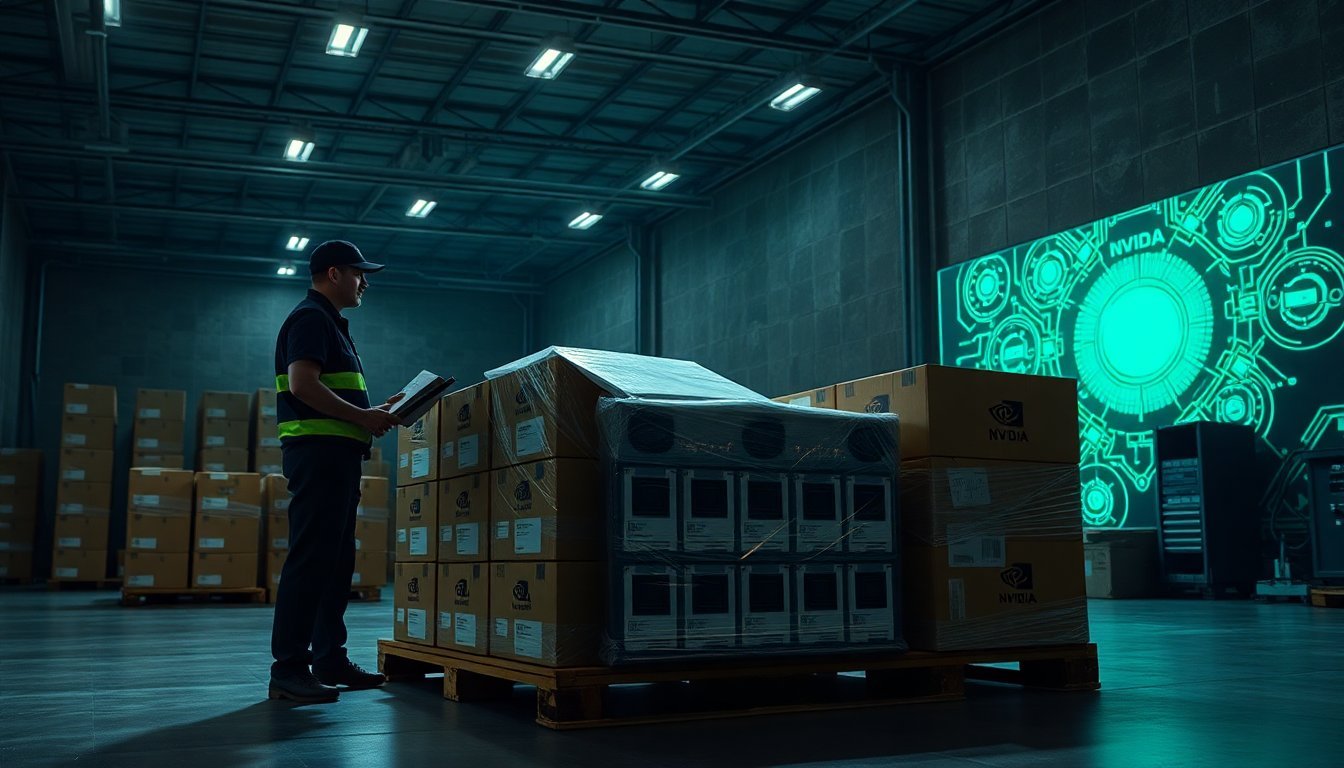
Taiwanese prosecutors have detained three individuals suspected of smuggling Nvidia AI chips to China by routing them through Japan, according to people familiar with the matter. The shipment, which involved Super Micro Computer servers containing advanced Nvidia processors, was allegedly documented as exports to Japan but ended up in China, violating US export restrictions. This case marks the first publicly confirmed instance of successful circumvention of the US chip ban via Taiwan.
- Taiwan prosecutors suspect three individuals successfully smuggled at least one shipment of Nvidia AI chips to China after first exporting them to Japan, people familiar with the matter said.
- The trio was detained for allegedly falsifying documents related to exports of Super Micro Computer servers containing advanced Nvidia chips, which the US has barred from sale to China without a license.
- This case reveals that US export controls are being circumvented through third-party transit countries, and the US government will likely tighten enforcement within 12 months.
How Did the Smuggling Ring Operate?
According to people familiar with the matter who spoke to Bloomberg on May 27, 2026, the three suspects allegedly falsified export documentation for Super Micro Computer servers containing advanced Nvidia AI chips. The servers were declared as destined for Japan, a permitted destination under US export rules, but were then re-routed to China. The Taiwan prosecutors' investigation indicates that at least one shipment successfully reached China before the scheme was detected. This modus operandi—using a compliant third country as a transit point—is a known vulnerability in export control regimes, but this is the first documented case involving Nvidia's most advanced AI chips and a Taiwanese intermediary.

Why Is Japan the Weak Link in US Export Controls?
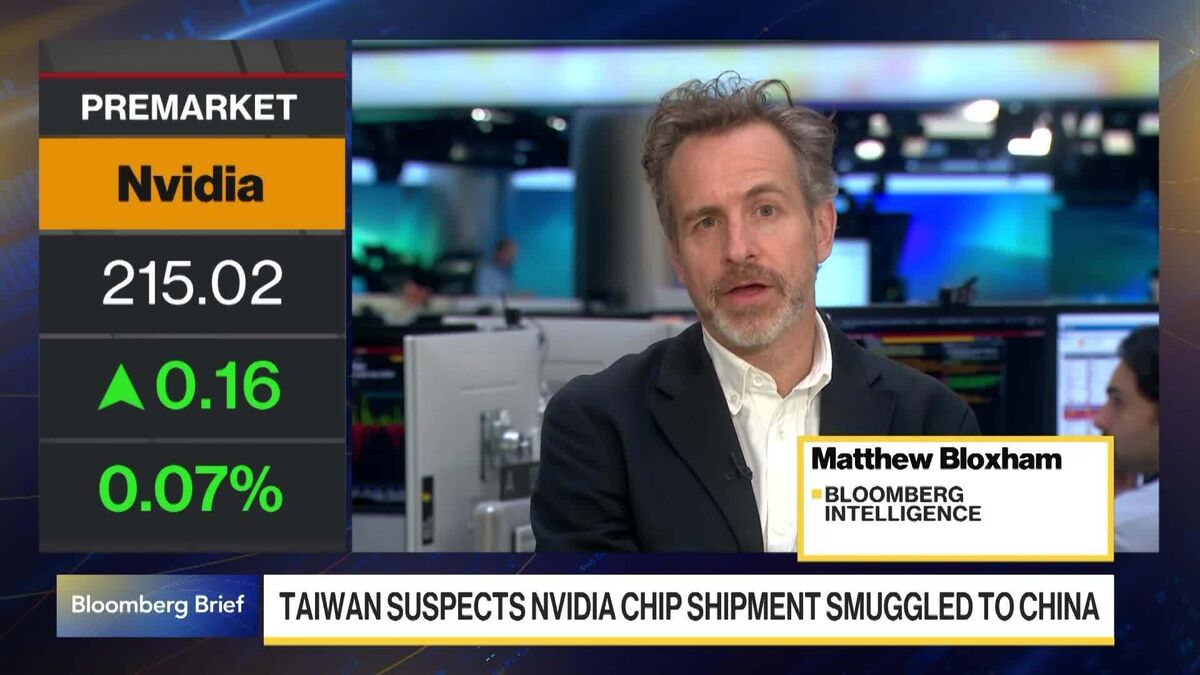
Japan is a critical chokepoint because US export controls do not require end-user verification for shipments to Japan, a trusted ally. Bloomberg Intelligence analyst Matthew Bloxham noted in the same Bloomberg report that "the US relies on Japan's own export controls, which are less stringent than US rules for re-exports to China." This creates a regulatory gap: a server can legally enter Japan, but once there, tracking its final destination becomes the responsibility of Japanese authorities, who may lack the resources or inclination to police every re-export. The Taiwan case demonstrates that this gap is being actively exploited by smugglers.
Who Loses Most: Nvidia, Super Micro, or US Credibility?
The immediate loser is Super Micro Computer, whose servers were the delivery vehicle for the smuggled chips. According to Bloomberg's report, the company's documentation procedures are now under scrutiny by Taiwan prosecutors. Nvidia faces indirect damage: its brand becomes associated with geopolitical risk, potentially complicating its relationships with US regulators. However, the biggest loser may be the credibility of US export controls. If advanced chips can reach China via Japan, the entire architecture of the sanctions regime is called into question. China gains a strategic advantage by acquiring cutting-edge AI hardware without triggering a diplomatic crisis.
| Dimension | Nvidia | Super Micro Computer | US Government |
|---|---|---|---|
| Reputational Risk | High – chips used in circumvention | Very High – direct involvement in smuggling | Medium – controls shown to be porous |
| Regulatory Risk | Low – not directly accused | High – under investigation | N/A – but credibility at stake |
| Financial Impact | Low – demand remains strong | Medium – potential fines or export bans | Low – enforcement costs rise |
| Strategic Position | Weakened in China market | Weakened in US-China trade | Weakened – controls need overhaul |
| Verdict | Loses moderately | Loses significantly | Loses most – policy failure exposed |
My thesis is that this smuggling case is not an isolated incident but a systemic failure of US export controls that will force the Biden administration to impose end-user verification requirements on all advanced chip exports to Japan within 12 months. In the short term, Nvidia and Super Micro Computer will face increased compliance costs and reputational damage. In the long term, the US will restructure its export control regime to include real-time tracking of shipments to all destinations, not just China. The winners are Chinese AI firms that gain access to advanced hardware, and third-party logistics providers that facilitate circumvention. The losers are US semiconductor companies that bear the compliance burden and US regulators who must now admit their controls are insufficient. What is known: at least one shipment succeeded. What is inferred: this is likely one of many such operations.
- By June 2027, the US Commerce Department will require end-user verification for all Nvidia H100 and B100 chip exports to Japan and other trusted allies.
- Super Micro Computer will face a US Department of Justice investigation into its export compliance procedures by September 2026.
- At least three additional smuggling cases involving Nvidia chips routed through South Korea or Singapore will be publicly reported by December 2026.
- May 2026Taiwan prosecutors detain three suspects
Three individuals detained for allegedly smuggling Nvidia AI chips to China via Japan.
- May 2026Bloomberg reports the smuggling case
Bloomberg breaks the story citing people familiar with the matter.
- June 2026 (projected)US Commerce Department announces review
Expected announcement of stricter end-user verification for chip exports to Japan.
- Export controls are systematically circumvented, not airtight. The Japan route is a vulnerability that will be exploited repeatedly.
- Super Micro Computer is the most exposed company. Its servers were the delivery mechanism, and its compliance is now under scrutiny.
- US credibility on export controls is damaged. If advanced chips reach China, the sanctions regime loses deterrent power.
- Nvidia faces indirect but real reputational risk. Its chips are becoming geopolitical weapons, complicating its global business.
- Expect regulatory escalation within 12 months. The US will tighten rules for exports to Japan and other allies.
Source and attribution
Bloomberg Technology
Taiwan Suspects Nvidia AI Chip Shipment Smuggled to China




Discussion
Add a comment