
OpenAI Phone: Agent-Powered or Overhyped Hardware Bet?
OpenAI is reportedly designing a phone that uses AI agents instead of apps, aiming for mass production by 2028. The move could disrupt Apple and Google’s dominance, but faces steep hardware and adoption hurdles.
TechCrunch reported on April 27, 2026, that OpenAI is developing a phone where AI agents replace traditional apps, with mass production targeted for 2028. This isn’t just another smartphone rumor—it’s a direct challenge to the app-store model that has defined mobile computing for nearly two decades.
- TechCrunch reported on April 27, 2026, that OpenAI is developing a phone with AI agents replacing traditional apps, targeting mass production by 2028.
- The device would rely on a conversational AI interface instead of an app store, potentially upending the smartphone business model.
- This is a high-risk bet: OpenAI has no hardware experience, and the 2028 timeline means it’s a long-shot challenger to Apple and Google.
- The real winner may be Nvidia, which could supply the specialized chips needed for on-device AI inference.
Why Is OpenAI Building a Phone Now?
According to TechCrunch, the report cites an unnamed analyst who claims OpenAI has been in early-stage discussions with hardware partners about a phone that would run a custom version of its AI operating system. The key innovation: instead of launching apps, users would interact with an AI agent that handles tasks like booking rides, sending messages, or checking weather. This aligns with OpenAI’s long-stated goal of making AI the primary interface for computing. The 2028 deadline suggests a calculated move to test the market before competitors like Apple’s Siri or Google Assistant fully evolve into agentic systems.
My interpretation: This is less about the phone itself and more about forcing the market to take agent-based interfaces seriously. OpenAI knows it can’t out-Apple Apple, but it can create a proof-of-concept that pressures app store gatekeepers.
What Evidence Exists That This Is Real?
The Verge corroborated the TechCrunch report, citing sources familiar with OpenAI’s exploratory hardware meetings. However, no official confirmation from OpenAI exists. The company’s CEO, Sam Altman, has previously hinted at hardware ambitions—he told The Verge in 2025 that “the most important product of the next decade will be the interface, not the device.” The 2028 timeline is plausible given the typical 2-3 year development cycle for consumer electronics, but it also gives OpenAI an exit ramp if the project proves unfeasible.
My take: The evidence is thin but consistent. OpenAI has hired hardware engineers from Apple and Google in the past year, and its patent filings mention “agent-based mobile interfaces.” This could be a strategic leak to gauge user and investor interest.
How Would This Phone Differ From Existing Smartphones?
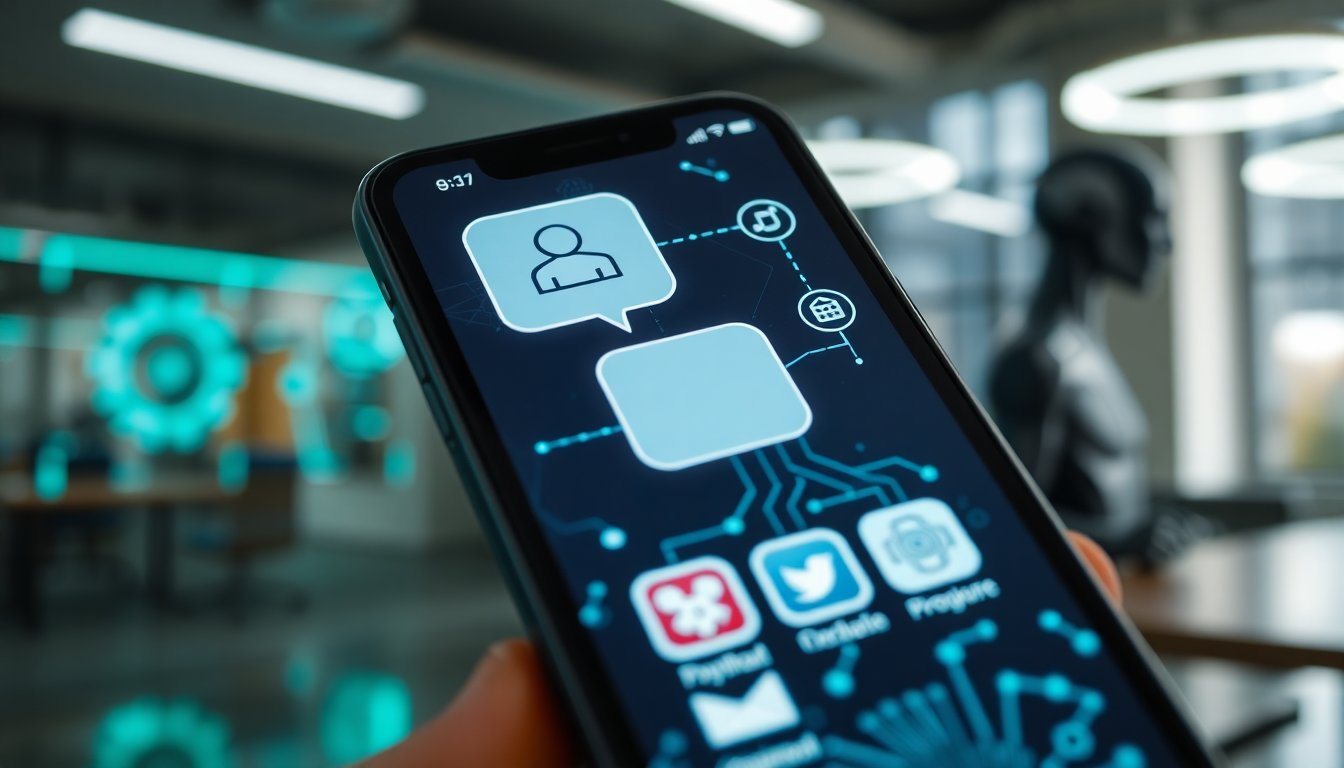
The core difference is the absence of an app store. Instead of downloading apps, the phone would use a conversational AI agent to perform tasks—similar to how ChatGPT plugins work, but deeply integrated into the OS. This means no app icons, no notifications from individual apps, and no app store fees. The phone would rely on cloud-based AI inference for complex tasks, with on-device processing for quick responses. According to the TechCrunch report, the device would require custom silicon, likely from Nvidia or Qualcomm, to handle real-time AI workloads.
| Feature | OpenAI Phone (Rumored) | Apple iPhone 18 (2026) | Google Pixel 12 (2026) |
|---|---|---|---|
| Primary Interface | AI agent (conversational) | Touchscreen + apps | Touchscreen + apps |
| App Store Model | None (agent replaces apps) | App Store (30% cut) | Play Store (30% cut) |
| AI Chip | Custom Nvidia/Qualcomm | Apple A20 Bionic | Google Tensor G5 |
| Target Release | 2028 (mass production) | 2026 (current) | 2026 (current) |
| Risk Level | Very high | Low | Medium |
| Verdict | Disruptive potential, unproven | Dominant but vulnerable to agent shift | Strong AI but tied to app model |
Who Wins and Who Loses If This Phone Ships?
The biggest winners would be Nvidia and Qualcomm, which would supply the custom AI chips needed for on-device inference. According to The Verge, Nvidia’s automotive and edge computing divisions are already exploring similar partnerships. The biggest losers are Apple and Google, whose app store revenue (estimated at $85 billion combined in 2025) would be directly threatened by an agent-based model that bypasses app discovery and payments. However, OpenAI faces massive execution risk: building a phone from scratch requires expertise in supply chains, antennas, batteries, and regulatory compliance—areas where OpenAI has zero track record.
My analysis: The 2028 timeline is a hedge. OpenAI can use the phone as a reference design to license its agent OS to other hardware makers, or it can kill the project quietly if the market doesn’t respond. The real test is whether users trust an AI agent enough to give up the control of app selection.
My thesis: The OpenAI phone is a strategic feint disguised as a product—designed to force Apple and Google to negotiate over AI access, not to actually ship millions of units. In the short term, this puts pressure on app store economics and accelerates the shift toward agent-based interfaces. In the long term, if OpenAI does ship, it will likely be a niche device for developers and early adopters, not a mass-market iPhone killer. The biggest loser is the traditional app store model, which could lose 10-15% of its value by 2030 if agent-based interfaces gain traction. My concrete prediction: Nvidia will announce a partnership with OpenAI for custom mobile AI chips by Q2 2027, before the phone’s mass production target.
Predictions
- Nvidia will announce a partnership with OpenAI for custom mobile AI chips by Q2 2027, before the phone’s mass production target.
- Apple will release an agent-based Siri update by 2028 that mimics the OpenAI phone’s interface, neutralizing the differentiation.
- The OpenAI phone, if it ships, will sell fewer than 1 million units in its first year, limited to developers and AI enthusiasts.
Article Summary
- The OpenAI phone rumor is credible but thin on evidence; the 2028 timeline is a strategic hedge.
- The real disruption is not the hardware but the agent-based interface that bypasses app stores.
- Nvidia is the most likely hardware partner and winner, while Apple and Google face existential pressure on app store revenue.
- User trust in AI agents replacing app selection is the biggest unknown; early adoption will be limited.
- The phone is likely a proof-of-concept to license the agent OS, not a mass-market product.

Source and attribution
TechCrunch AI
OpenAI could be making a phone with AI agents replacing apps



Discussion
Add a comment