

Karpathy's LLM Idea File Exposes AI Research's Methodology Crisis
Karpathy's public documentation of his LLM development process reveals a gaping hole in how AI research is conducted. This isn't about sharing code—it's about sharing the thinking framework that produces breakthroughs, and it makes traditional research institutions look amateurish.
When Andrej Karpathy publishes his personal 'idea file' for LLM development, he's not just sharing notes—he's weaponizing process. The former Tesla and OpenAI researcher has released what amounts to a blueprint for systematic AI thinking, exposing how most research organizations still operate on scattered intuition rather than structured methodology.
- Andrej Karpathy published his personal 'idea file' for LLM development as a GitHub gist on April 4, 2026
- The document shows his systematic approach to tracking research ideas, experiments, and learnings in a structured wiki format
- This exposes a fundamental tension between open methodology sharing and proprietary research processes in competitive AI development
- The release challenges established research institutions by demonstrating how transparent thinking frameworks can accelerate progress
Why Would Karpathy Publish His Private Thinking Process?
Karpathy's GitHub gist contains 50+ pages of structured notes covering everything from tokenization strategies to novel training techniques. According to his accompanying X post from April 4, 2026, he describes this as "an example of an 'idea file'" that he maintains for his LLM research. The document isn't just random notes—it's organized into categories like "Architecture," "Training," "Evaluation," and "Deployment" with cross-references and priority markers. I see this as a calculated move: by publishing his methodology, Karpathy establishes himself as the standard-bearer for systematic AI thinking. He's not just sharing what he thinks—he's showing how he thinks, which is far more valuable in a field drowning in isolated results without coherent processes.What Does This Reveal About Current AI Research Practices?
The existence of this document as something noteworthy reveals how primitive most AI research methodology remains. Karpathy's approach—documenting hypotheses, tracking experiments, maintaining learnings—should be standard practice, yet his public sharing of it generated significant attention precisely because it's not standard. Most research organizations, including major labs, still operate on scattered Slack messages, disconnected Google Docs, and individual researcher intuition. Karpathy's structured approach demonstrates that the bottleneck in AI progress isn't just compute or data—it's systematic thinking. His methodology shows that breakthroughs emerge from connecting dots across domains, not from isolated eureka moments.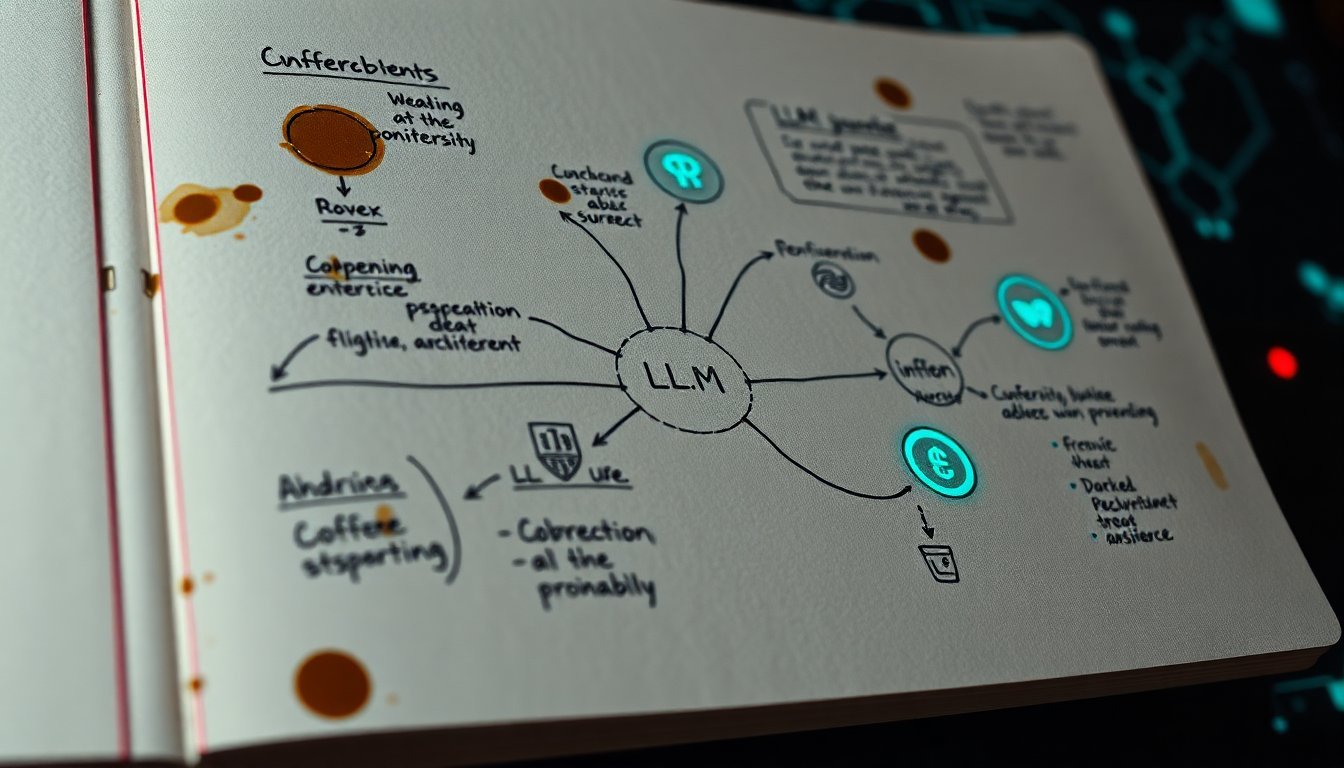
Who Loses When Research Methodology Becomes Public?
Traditional academic institutions and corporate research labs that rely on proprietary methodologies face immediate pressure. Universities that teach AI without emphasizing systematic thinking frameworks will appear outdated. Corporate labs like Google DeepMind or Meta FAIR that guard their internal processes now face comparison against Karpathy's transparent approach. The biggest losers are organizations that mistake secrecy for competitive advantage—when a leading researcher demonstrates that sharing methodology accelerates progress, hoarding processes looks defensive rather than strategic. According to the GitHub gist metrics, the document received thousands of views within hours, indicating pent-up demand for better research methodology in the field.How Will This Change How AI Teams Organize Knowledge?
Karpathy's idea file provides a concrete template that will be copied across the industry. The document shows specific organizational patterns: linking related ideas, maintaining experiment logs, tracking what worked and what didn't. This represents a shift from results-oriented documentation to process-oriented documentation. Teams that adopt this approach will develop institutional memory that survives individual researcher turnover. The alternative—relying on tribal knowledge and scattered notes—becomes increasingly untenable as AI systems grow more complex. Karpathy's framework makes explicit what was previously implicit: that systematic knowledge management is a competitive advantage in AI development.| Approach | Karpathy's Public Methodology | Traditional Research Process |
|---|---|---|
| Knowledge Organization | Structured wiki with cross-references | Scattered documents and individual memory |
| Experiment Tracking | Systematic logs with learnings | Ad-hoc notes, often lost |
| Collaboration Method | Transparent, shareable framework | Closed, proprietary processes |
| Institutional Memory | Preserved in structured system | Depends on key individuals |
| Verdict | Karpathy's approach wins—it creates sustainable research velocity while traditional methods create knowledge debt | |
Karpathy's idea file publication represents a strategic pivot in how AI research credibility is established. I believe he's intentionally shifting the competitive landscape from secret breakthroughs to transparent methodology. In the short term, this pressures every serious AI researcher to demonstrate not just what they've built, but how they think about building it. The immediate consequence is a rush to adopt similar systematic approaches across the industry—expect a wave of "how I think" posts from other prominent researchers within months. Long-term, this moves competitive advantage from isolated technical insights to reproducible thinking frameworks.
Who gains? Independent researchers and smaller labs that can now access elite-level methodology without corporate affiliation. Open-source projects that thrive on transparent processes. Karpathy himself, who positions as the thought leader in research methodology rather than just another researcher.
Who loses? Academic institutions that still teach research as individual genius rather than systematic process. Corporate labs that mistake secrecy for sophistication. Researchers who can't articulate their thinking process clearly.
I expect Anthropic to publish their own version of a research methodology framework by Q3 2026, as they compete on transparency and systematic thinking in the safety-focused AI segment. They'll need to demonstrate that their constitutional AI approach isn't just a result but a reproducible process.
What Tools Will Emerge to Support This Methodology Shift?
Karpathy's approach—using a simple text file with markdown—is deliberately low-tech, but it creates demand for specialized tools. The GitHub gist format shows he's using basic version control for idea management, but this will spawn dedicated "research thinking" platforms. We'll see tools that combine hypothesis tracking, experiment logging, and knowledge graph visualization specifically for AI research. The market for research methodology software, currently dominated by generic note-taking apps, will fragment into AI-specific solutions. Companies like Notion and Obsidian will face competition from tools designed specifically for the patterns Karpathy demonstrates: linking technical ideas, tracking experimental results, and maintaining learnings across projects.Will This Make AI Research More or Less Competitive?
Paradoxically, sharing methodology increases competition while accelerating overall progress. When everyone can see how top researchers think, the bar rises for everyone. This creates pressure for continuous methodological innovation rather than resting on past breakthroughs. According to the engagement on Karpathy's X post, the AI community immediately recognized the value—not in the specific ideas (though those are valuable), but in the framework for generating and organizing ideas. This turns research from a black box into a transparent process where contributions can be measured not just by results, but by improvements to the thinking framework itself. 1. I predict that by Q4 2026, at least three major AI labs (likely including Anthropic and Cohere) will publish their own research methodology frameworks in response to Karpathy's move. 2. Expect GitHub to launch a dedicated "research notebooks" feature by mid-2027 that goes beyond code to include structured thinking frameworks, directly competing with tools like Notion in the research space. 3. University AI programs will begin requiring "methodology portfolios" from students by the 2027 academic year, shifting assessment from final projects to thinking processes.- April 2026Karpathy publishes idea file
Andrej Karpathy releases his LLM research idea file as a public GitHub gist, demonstrating systematic methodology
Research Methodology Adoption Pressure (estimated)
- Methodology transparency is becoming the new currency of AI research credibility
- Systematic thinking frameworks provide more sustainable competitive advantage than isolated technical breakthroughs
- The tools market will fragment between generic note-taking and AI-specific research thinking platforms
- Academic institutions face obsolescence if they don't shift from teaching results to teaching reproducible thinking processes
- Karpathy's move accelerates the professionalization of independent AI research at the expense of traditional institutional gatekeepers
Source and attribution
Hacker News
LLM Wiki – example of an "idea file"






Discussion
Add a comment