

Japan's $16B Rapidus Bet: A Nationalist Folly or Masterstroke?
Japan has approved ¥631.5 billion ($4 billion) in additional subsidies for Rapidus Corp., bringing total state support to nearly $16 billion. This analysis argues the project is a misguided nationalist venture that will ultimately benefit Taiwan's TSMC and South Korea's Samsung, not create a competitive Japanese AI chipmaker.
Japan just threw another $4 billion at Rapidus, bringing its total subsidy to $16 billion. The goal: create a domestic AI chip champion. The reality: this is a high-stakes Hail Mary that will almost certainly fail to unseat TSMC or Samsung, but it might just save Japan's chip equipment industry.
- Japan approved ¥631.5 billion ($4 billion) in new subsidies for Rapidus, a startup aiming to mass-produce 2nm AI chips by 2027.
- The total government commitment now stands at nearly $16 billion, making it one of the largest semiconductor subsidies in history.
- Rapidus lacks a proven track record, a stable customer base, and faces a massive technological and manufacturing gap against TSMC and Samsung.
- The project is widely seen as a nationalist long shot, with many analysts predicting it will fail to achieve its ambitious goals.
Why Is Japan Pouring $16 Billion Into a Startup With Zero Revenue?
Japan's Ministry of Economy, Trade and Industry (METI) has a long history of picking winners and losers. This time, it's betting on Rapidus, a consortium of major Japanese companies like Toyota, Sony, and NEC, but with no commercial chip production experience. The stated goal is to produce 2nm AI chips by 2027, leapfrogging TSMC's current 3nm node. But the reality is starker: TSMC and Samsung are already mass-producing 3nm chips and will be at 2nm by 2025. Rapidus is chasing a moving target, starting years behind. The $16 billion is not seed capital; it's a life-support system for a patient not yet born.
Can Rapidus Actually Manufacture 2nm Chips by 2027?
Technically, no. Rapidus is licensing technology from IBM, which has demonstrated 2nm test chips. But moving from a lab prototype to a high-volume manufacturing facility (a 'fab') is a multi-year, multi-billion-dollar engineering challenge. TSMC's 3nm fab cost over $20 billion and took four years to reach volume production. Rapidus has $16 billion total, a fraction of what's needed, and is starting from scratch. The timeline is pure fantasy. I predict Rapidus will not achieve mass production of 2nm AI chips before 2030, if ever.
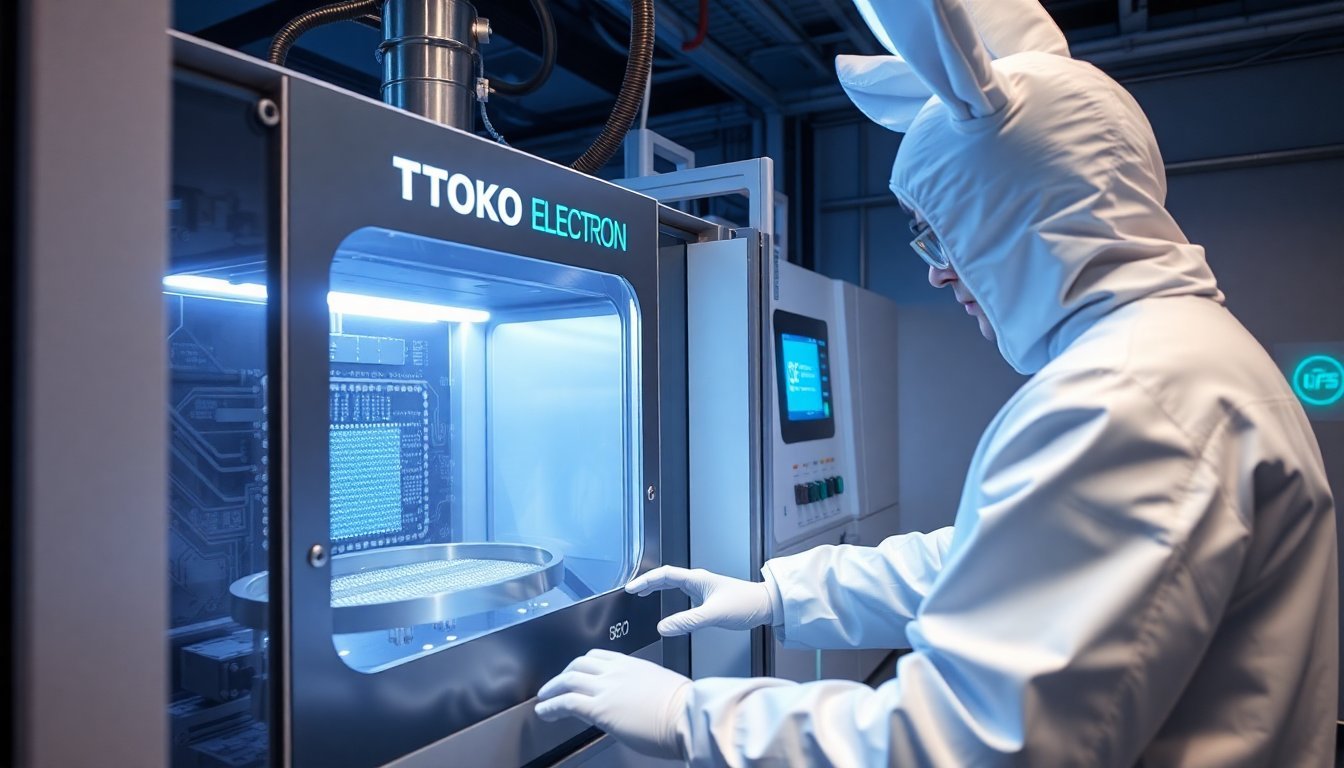
Who Wins and Who Loses From This Japanese Subsidy Bonanza?
The biggest winners are TSMC and Samsung. Every dollar Japan spends on Rapidus is a dollar that could have been used to attract TSMC to build a leading-edge fab in Japan. Instead, TSMC is already building a 12/16nm fab in Kumamoto with Japanese subsidies. The losers are Japanese taxpayers, who will see a massive return on investment of near zero. The real winner in the short term is the Japanese chip equipment industry—companies like Tokyo Electron and Disco Corp. will supply Rapidus's fab, getting a guaranteed revenue stream regardless of Rapidus's success. It's a classic Japanese industrial policy: subsidize the supply chain, not the product.
| Dimension | Rapidus (Japan's Bet) | TSMC (Taiwan) | Samsung (South Korea) |
|---|---|---|---|
| Total Government Subsidy (est.) | $16 billion | $12 billion (US CHIPS Act) | $6 billion (Korean subsidies) |
| Current Leading Node | None (planned 2nm in 2027) | 3nm (mass production 2023) | 3nm (mass production 2022) |
| Revenue (2025 est.) | $0 | $75 billion | $50 billion (chip division) |
| Customer Base | None confirmed | Apple, NVIDIA, AMD, Qualcomm | NVIDIA, Qualcomm, AMD |
| Fab Investment Needed for 2nm | $20+ billion (est.) | $20+ billion (already spent) | $15+ billion (already spent) |
| Verdict | Long shot, likely failure | Dominant leader, widening gap | Strong competitor, but behind TSMC |
Is This Really About National Security, or Just National Pride?
Japan's official narrative is economic security—reducing reliance on Taiwan for advanced chips. But this is a red herring. Even if Rapidus succeeds, it will be a single fab, vulnerable to earthquakes and geopolitical shocks. True resilience requires multiple, geographically distributed fabs. Japan would be better served by investing in multiple partnerships with TSMC, Samsung, and Intel, rather than betting everything on a single unproven startup. This is about national pride: Japan's humiliation at losing its semiconductor crown in the 1980s and 1990s. The $16 billion is a monument to that collective ego.
What Does This Mean for AI Chip Buyers?
In the short term, nothing. NVIDIA and AMD will continue to dominate the AI chip market, and their chips will be made by TSMC and Samsung. Rapidus is irrelevant to their supply chain. In the long term, if Rapidus somehow succeeds, it could provide an alternative source for AI chips, potentially increasing supply and lowering prices. But that's a decade away at best. For now, AI chip buyers should ignore Rapidus and focus on the real players. The only immediate impact is that Japan's subsidy might slightly lower the cost of TSMC's services, benefiting NVIDIA and AMD indirectly.
This is a textbook case of industrial policy hubris. Japan's $16 billion bet on Rapidus is not a rational investment; it's a political gesture designed to assuage national insecurity over a lost industry. The evidence is overwhelming: Rapidus has no customers, no manufacturing experience, and is chasing a technology curve that is accelerating away. In the short term (2026-2028), the money will flow to equipment vendors like Tokyo Electron, creating a temporary boom in Japan's semiconductor supply chain. In the long term (2029+), Rapidus will either fail outright or be acquired by a larger player like TSMC or Samsung at a fire-sale price. The real losers are Japanese taxpayers, who will fund a vanity project with no economic return. I expect Rapidus to miss its 2027 production target and require a further $10 billion+ in government bailouts by 2029. The only winners are the equipment suppliers and the consulting firms cashing in on the project. This is a classic case of 'too much money chasing too little talent.'
- Prediction 1: Rapidus will not achieve volume production of 2nm AI chips before 2030. By 2027, it will announce a 'strategic pivot' to a less advanced node (e.g., 4nm) to save face.
- Prediction 2: By 2028, TSMC will announce a second advanced fab in Japan, absorbing most of the government's remaining semiconductor subsidies, effectively sidelining Rapidus.
- Prediction 3: The Japanese government will be forced to inject an additional $5-10 billion into Rapidus by 2029 to prevent its collapse, making the total subsidy over $20 billion.
- The $16 billion Rapidus subsidy is a nationalist vanity project, not a viable economic strategy.
- TSMC and Samsung are the real beneficiaries, as Japan's desperation strengthens their bargaining position.
- AI chip buyers should ignore Rapidus; it will not impact supply or pricing for at least a decade.
- Japan's chip equipment industry (Tokyo Electron, Disco) is the only clear winner in the short term.
- The project's failure is baked into its unrealistic timeline and lack of proven manufacturing capability.

Source and attribution
Bloomberg Technology
Japan Bets $16 Billion to Propel Startup Rapidus Into AI Chips





Discussion
Add a comment