
Asian Chip Titans Seize Control of AI's Future
Asian chip companies are the unsung winners of the AI boom, with TSMC and Samsung commanding premium pricing and dictating supply. This shift exposes the vulnerability of Western AI firms dependent on a concentrated Asian supply chain.
The AI boom is no longer just about Nvidia or OpenAI; it's about the Asian foundries and memory makers that build the physical infrastructure. According to a New York Times report published June 16, 2026, companies like TSMC and Samsung are seeing explosive demand for their advanced chip-making and packaging services, fundamentally altering the balance of tech power.
- Asian chipmakers TSMC and Samsung are experiencing record demand for advanced packaging and HBM memory, driven by the AI data center buildout.
- This demand is shifting pricing power from chip designers to manufacturers, with TSMC reportedly raising prices for its most advanced nodes by 10-20% in 2026.
- The concentration of manufacturing in Taiwan and South Korea creates a strategic risk for the global AI industry, as geopolitical tensions could disrupt supply.
Why Are Asian Chip Companies Suddenly So Powerful?
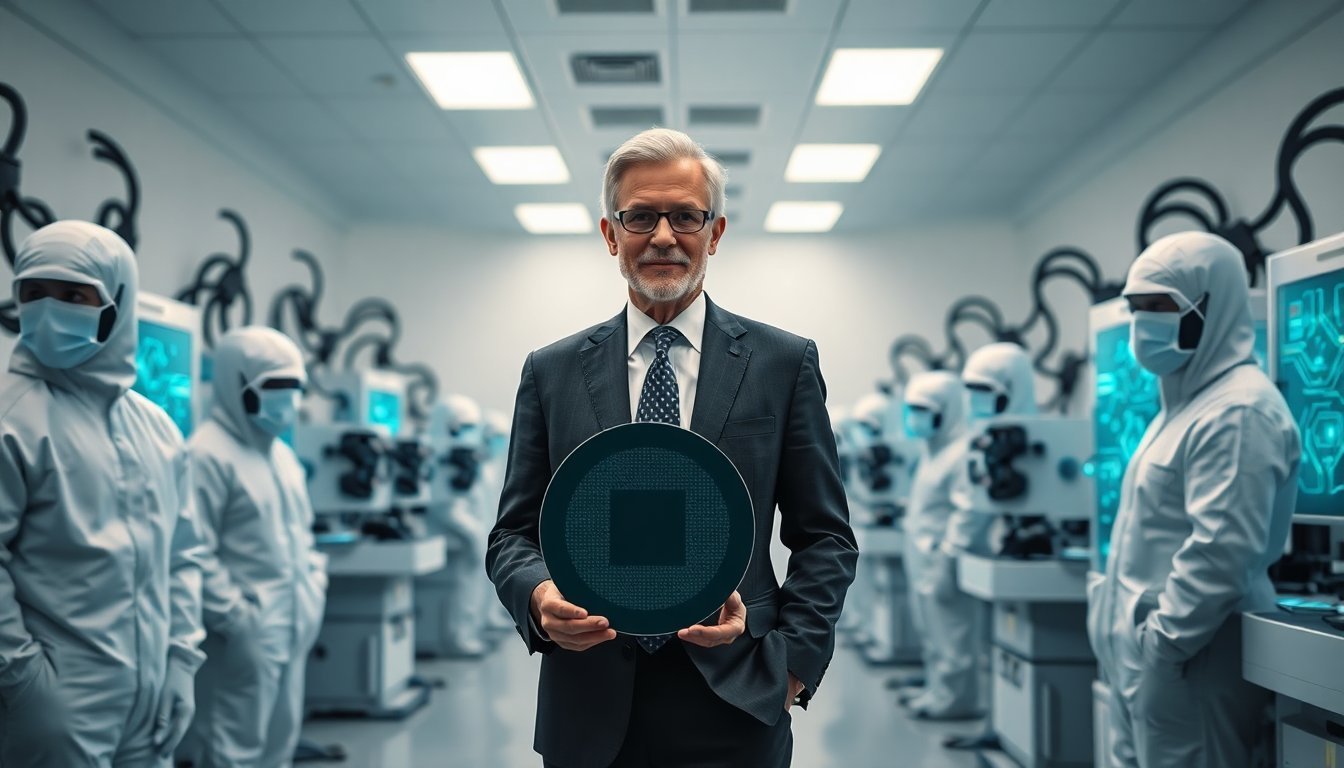
According to the New York Times, the AI boom has created insatiable demand for the specialized chips that power massive data centers. While companies like Nvidia design the chips, they depend entirely on Asian manufacturers like TSMC to produce them. TSMC, which controls over 90% of the market for the most advanced AI chips, is in a position of unprecedented leverage. The Times reported that TSMC's revenue from AI-related chips surged 45% in the first half of 2026 alone, a direct reflection of the explosion in data center construction by companies like Microsoft, Google, and Amazon.
This is not just a volume story; it's a pricing story. TSMC has reportedly informed its clients that it will raise prices for its 3nm and upcoming 2nm processes by 10-20% in 2026, citing the complexity and capital intensity of the manufacturing process. In a market where there is no alternative supplier at scale, clients have little choice but to pay. This marks a fundamental shift from the previous decade, where chip designers held the pricing power.
How Is Samsung Competing in This New Landscape?
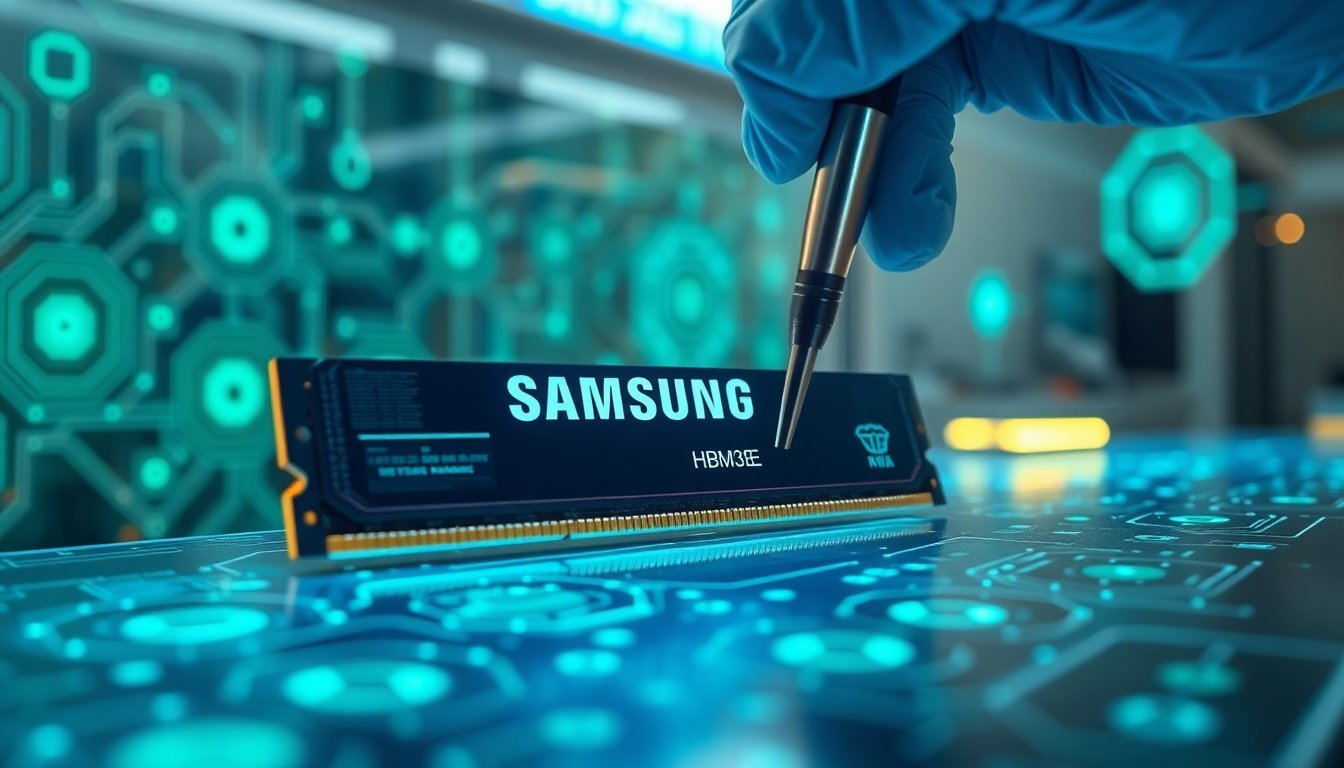
Samsung, the other major Asian player, is taking a different but equally aggressive approach. While it lags TSMC in pure logic chip manufacturing, it dominates the market for High Bandwidth Memory (HBM), a critical component for AI accelerators. According to a Reuters report from June 15, 2026, Samsung's HBM3E memory is now a standard component in Nvidia's latest H200 and B100 chips. This has driven Samsung's memory chip revenue to record levels, with the company projecting a 60% increase in its HBM sales for 2026.
Samsung is also aggressively building out its foundry business, but it faces an uphill battle. The company's 3nm process has lower yields than TSMC's, making it less attractive for high-performance AI chips. However, Samsung is betting on its integrated model—where it can combine logic, memory, and packaging under one roof—as a long-term differentiator. This 'one-stop-shop' strategy could appeal to clients who want to simplify their supply chain, but it remains to be seen whether Samsung can match TSMC's technical performance.
What Does This Mean for Western AI Companies?
For Western AI companies like Nvidia, AMD, and the cloud hyperscalers, this shift is a double-edged sword. On one hand, the availability of advanced Asian manufacturing has enabled the AI boom to happen at all. On the other hand, it creates a single point of failure. The New York Times highlighted the growing concern among US policymakers about the concentration of advanced chip manufacturing in Taiwan, a region with high geopolitical risk. The US Chips Act has attempted to bring some manufacturing back to the US, but TSMC's Arizona fab is still years away from producing the most advanced nodes.
The immediate effect is rising costs. Nvidia's latest chips, which already cost tens of thousands of dollars, are becoming more expensive as TSMC passes on its price increases. This could slow the pace of AI adoption, particularly for smaller companies that cannot absorb these costs. The longer-term risk is a supply disruption. If a conflict in the Taiwan Strait were to occur, the entire global AI industry would grind to a halt. This is a systemic risk that has no easy solution.
Who Is Winning and Losing in the Asian Chip Ecosystem?
| Company | Strengths | Weaknesses | Verdict |
|---|---|---|---|
| TSMC | Dominant in advanced logic (3nm, 2nm), high yields, strong client relationships | Geopolitical risk (Taiwan), high capital expenditure, single location | Winner: Uncontested leader in AI chip manufacturing. |
| Samsung | Leader in HBM memory, integrated model, diversified product line | Lower yields in advanced logic, behind TSMC in foundry market share | Winner: Massive HBM revenue, but foundry remains a question mark. |
| SK Hynix | Strong HBM technology, key supplier to Nvidia | Less diversified than Samsung, heavily reliant on memory cycle | Winner: Benefiting from HBM demand, but vulnerable to memory price swings. |
| Nvidia | Design leader, strong brand, high margins | Dependent on TSMC for manufacturing, rising costs, supply chain risk | Loser: Facing margin pressure and strategic dependency. |
| AMD | Strong AI GPU alternative, using TSMC as well | Same dependency as Nvidia, smaller market share | Loser: Same risks as Nvidia, with less pricing power. |
My Analysis: The AI boom is a double-edged sword for the global tech industry. While it has unleashed incredible innovation, it has also created a dangerous concentration of power in the hands of a few Asian manufacturers. My thesis is that this concentration is the single greatest structural risk to the AI industry today, and it will only intensify in the next 2-3 years. In the short term, TSMC and Samsung will continue to capture an outsized share of the value created by AI, as their pricing power grows. In the long term, this will force a strategic response from the US and Europe, likely through massive subsidies for domestic chip manufacturing and a push for alternative architectures that are less dependent on advanced nodes. The losers are any AI company that cannot secure guaranteed supply from TSMC or Samsung; they will face cost disadvantages and potential shortages. The winners are the Asian foundries themselves, who are becoming the gatekeepers of the AI era.
Predictions
- By Q2 2027, TSMC will announce a further 15-25% price increase for its 2nm process, citing capital intensity and demand outstripping supply.
- By the end of 2027, Samsung will capture at least 25% of the HBM market for AI, driven by its integrated model, but will fail to gain significant foundry market share from TSMC.
- By 2028, the US government will announce a second Chips Act, with a specific focus on advanced packaging, in an attempt to reduce dependency on Asian supply chains.
Article Summary
- The AI boom has shifted pricing power from chip designers to Asian manufacturers, creating a new power dynamic in the tech industry.
- TSMC's near-monopoly on advanced AI chip manufacturing is a strategic risk that the US and Europe are only beginning to address.
- Samsung's dominance in HBM memory gives it a unique and profitable position in the AI supply chain.
- Rising chip costs will slow the democratization of AI, favoring large incumbents over startups.
- The geopolitical risk of concentrated manufacturing in Taiwan remains the biggest unhedged bet in the AI industry.

Source and attribution
NYTimes Technology
A.I. Boom Ignites Asian Chip Companies




Discussion
Add a comment