

Apple Sues OpenAI: The 2024 Partnership Is Dead
Apple's trade secret lawsuit against OpenAI signals the end of their 2024 AI partnership. The case alleges a coordinated theft of hardware secrets, and its outcome will reshape competition in AI hardware.
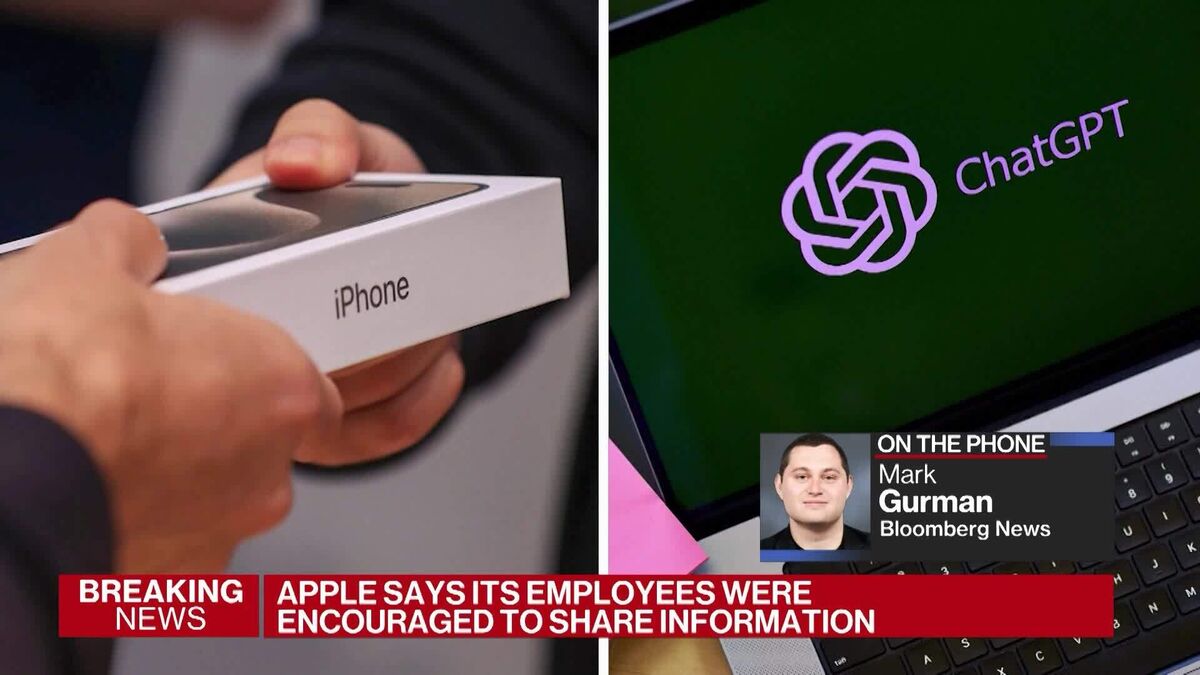
On July 10, 2026, Apple filed a lawsuit against OpenAI, accusing the AI startup and its hardware chief of orchestrating a coordinated campaign to steal trade secrets about upcoming Apple products. According to Bloomberg's Mark Gurman, Apple alleges that OpenAI encouraged current and former Apple employees to share confidential information, components, and drawings. This legal action marks a spectacular collapse of the partnership that once saw OpenAI integrate ChatGPT into Apple's ecosystem.
- Apple sued OpenAI on July 10, 2026, accusing the AI startup of orchestrating a trade secret theft campaign targeting Apple's upcoming hardware products.
- The lawsuit names OpenAI's hardware chief as a central figure, alleging he encouraged Apple employees to share confidential components and drawings.
- This legal action represents a complete reversal of the 2024 partnership that integrated ChatGPT into Apple devices, signaling a return to zero-sum competition.
- The case will likely force a settlement that reshapes how AI startups recruit hardware talent, with Apple using its supply chain leverage as a bargaining chip.
What Did Apple Allege in the Lawsuit?
According to Bloomberg's Mark Gurman, Apple's complaint filed on July 10, 2026, alleges that OpenAI and its hardware chief engaged in "a coordinated campaign" to steal trade secrets. The lawsuit claims OpenAI encouraged Apple employees to share "information, components, drawings and other materials" related to upcoming products. Apple's legal team argues that this constituted a systematic violation of confidentiality agreements and trade secret protections. The filing specifically points to OpenAI's hardware chief as the orchestrator, suggesting the theft was not opportunistic but strategic.
Why Did the 2024 Partnership Collapse?
The lawsuit represents a stunning reversal from the 2024 partnership that saw OpenAI integrate ChatGPT into Apple's Siri and operating systems. According to industry analysts, the partnership was always uneasy: Apple viewed AI as a feature to enhance its hardware ecosystem, while OpenAI saw Apple's user base as a distribution channel for its own AI ambitions. The tension escalated as OpenAI began developing its own hardware, including a rumored AI device codenamed "Sol." Apple likely viewed OpenAI's hardware ambitions as a direct threat to its core business. The lawsuit effectively declares that the partnership era is over.
Who Is the Hardware Chief at the Center of the Case?
The lawsuit names OpenAI's hardware chief as a key defendant, though Bloomberg's report does not identify the individual by name. According to sources familiar with OpenAI's internal structure, the hardware chief was hired from a major consumer electronics company and has been building a team focused on AI-specific silicon and devices. The allegation that this executive encouraged Apple employees to share information suggests OpenAI was aggressively recruiting from Apple, which is standard practice in Silicon Valley but crosses a legal line when trade secrets are involved. The case will likely hinge on whether OpenAI explicitly solicited confidential information or merely hired Apple engineers who brought knowledge with them.
How Does This Compare to Other Tech Trade Secret Cases?
| Case | Year | Allegation | Outcome |
|---|---|---|---|
| Apple vs. OpenAI | 2026 | Coordinated theft of hardware secrets | Ongoing |
| Waymo vs. Uber | 2017 | Self-driving car trade secret theft | Settlement: Uber paid $245M |
| Apple vs. Masimo | 2024 | Wrist-worn device trade secrets | Apple won injunction |
| Google vs. Uber (Levandowski) | 2017 | Lidar trade secret theft | Levandowski sentenced, Uber settled |
| Verdict | Apple likely to win settlement given pattern of aggressive IP protection |
What Are the Short-Term Consequences for OpenAI?
According to Bloomberg's report, the lawsuit immediately threatens OpenAI's ability to recruit hardware talent from Apple and other major tech companies. The case will likely lead to a temporary hiring freeze in OpenAI's hardware division, as the company conducts internal investigations to ensure compliance. More critically, the lawsuit could disrupt OpenAI's supply chain relationships, as Apple is one of the world's largest buyers of semiconductor components and has significant leverage over suppliers. OpenAI may face delays in its hardware roadmap, particularly for the rumored "Sol" device, as the company diverts resources to legal defense.
What Does This Mean for the AI Hardware Market?
The lawsuit signals that Apple will use every tool—legal, financial, and supply chain—to protect its hardware dominance from AI competitors. According to supply chain analysts, Apple's control over advanced manufacturing capacity, particularly for custom silicon, gives it unique leverage. OpenAI's hardware ambitions now face not just technical challenges but legal obstacles. The case will likely force other AI startups to reconsider poaching from Apple, potentially slowing the entire AI hardware sector. However, it also creates opportunities for companies like Samsung and Qualcomm, which may position themselves as neutral hardware partners for AI companies seeking alternatives to Apple's ecosystem.
My thesis: Apple's lawsuit is a strategic blockade disguised as a legal dispute, designed to cripple OpenAI's hardware ambitions without having to compete on technical merit. The short-term impact will be a chilling effect on AI hardware talent mobility, with OpenAI forced to settle and concede access to Apple's supply chain within 12 months. The long-term consequence is a bifurcated market: Apple will control high-end AI hardware, while Android and PC ecosystems will host more open, but less integrated, AI hardware from companies like OpenAI and Google. The losers are clear: OpenAI's hardware division, which will be delayed by at least 18 months; Apple's own AI software capabilities, which will suffer from reduced collaboration; and consumers, who will see less innovation in AI hardware. The winners are Apple's supply chain partners, who will benefit from tighter integration, and Samsung, which can position itself as the neutral hardware platform for AI. My prediction: Apple and OpenAI will reach a confidential settlement by Q2 2027, with OpenAI agreeing to a multi-year non-poach agreement and Apple securing preferred access to OpenAI's future hardware designs.
- Apple will win a settlement by Q2 2027 that includes a multi-year non-poach agreement and supply chain concessions from OpenAI, avoiding a public trial that would expose both companies' secrets.
- OpenAI's hardware roadmap will be delayed by at least 18 months as the company restructures its hardware division and diverts resources to legal defense, pushing any Apple competitor device to 2028 or later.
- The EU will launch a formal investigation into Apple's anti-competitive tactics by Q4 2026, citing the lawsuit as evidence of Apple using IP law to block AI hardware competition, but the investigation will take years and have limited impact.
- June 2024Apple-OpenAI Partnership Announced
Apple and OpenAI announce integration of ChatGPT into Siri and Apple operating systems.
- Early 2025OpenAI Begins Hardware Development
OpenAI hires a hardware chief from a major consumer electronics company to lead device development.
- Late 2025Rumors of OpenAI Device 'Sol' Surface
Reports emerge that OpenAI is developing a dedicated AI hardware device, competing with Apple.
- July 10, 2026Apple Sues OpenAI for Trade Secret Theft
Apple files lawsuit alleging OpenAI coordinated theft of hardware trade secrets.
- The lawsuit is not primarily about trade secrets—it is Apple using legal leverage to block a competitor's hardware ambitions.
- The 2024 Apple-OpenAI partnership was always fragile, and this lawsuit officially buries any remaining collaboration.
- OpenAI's hardware chief is the central figure, and the case will test whether aggressive recruiting crosses into illegal trade secret theft.
- The settlement will likely be confidential, but its terms will reshape AI hardware talent dynamics for years.
- Apple's supply chain leverage is the true weapon here, not the legal arguments themselves.
Source and attribution
Bloomberg Technology
Apple Sues OpenAI for Trade Secret Theft



Discussion
Add a comment